The Horse s Step: A Display Font for Modern Editorial Design
There’s a quiet moment in every design project when the font choice feels like the final brushstroke that ties everything together. I recently found myself in just such a moment while working on the cover of a digital magazine focused on artisanal craftsmanship and modern lifestyle. The client wanted something bold yet refined—something that felt both rooted in tradition and unapologetically contemporary. That’s when I opened my font library and landed on The Horse s Step, a display typeface with an unexpected blend of vintage warmth and modern clarity.
How The Horse s Step Elevates Wedding Guide Covers and Lifestyle Magazines
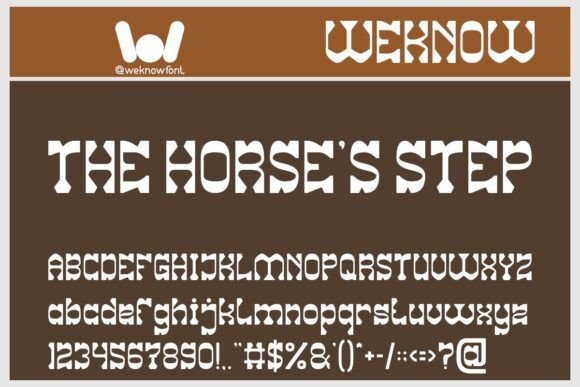
The Horse s Step isn’t your average decorative display font. It carries a unique rhythm, where each letter seems to echo the careful hand-carved texture of wood. This gives it a tactile quality that digital fonts often miss. When I tested it on a wedding guide layout, it immediately added a sense of elegance and authenticity. The boldness of the strokes caught attention without overwhelming the reader, and the subtle vintage charm gave the publication a timeless feel.
In editorial design, especially for niche publications or themed content, finding the right balance between personality and readability is key. The Horse s Step manages this well, making it ideal for covers, chapter openers, and pull quotes in both print and digital formats. Its character set supports a wide range of languages, which is particularly useful when designing content for international audiences or multilingual publications.
The Horse s Step in Recipe Ebooks and Printable Planners
I also tried The Horse s Step in a recipe ebook layout, using it for section headings and title pages. While it wasn’t suitable for body text due to its ornate nature, it worked beautifully as a header font. The visual weight helped create clear separation between sections, guiding readers through the content with ease. In another project, a printable planner for productivity enthusiasts, I used it sparingly for weekly titles and motivational prompts. The result was a fresh, inviting aesthetic that stood out among more minimalist designs.
What I appreciate most about this font is how it maintains legibility even at smaller sizes. For a planner template, where space is limited but impact matters, The Horse s Step delivered clean, crisp characters that didn’t lose their charm. This is rare for many display fonts, which tend to become illegible when scaled down. Here, the designer clearly considered real-world applications beyond just showpiece typography.
Why The Horse s Step Works Well for Digital Magazine Layouts and Blog Headers
When redesigning a blog header for a wellness brand, I wanted a font that could express creativity without sacrificing professionalism. The Horse s Step offered that perfect middle ground. It’s not too playful to undermine credibility, nor too serious to feel lifeless. The slight vintage flair complemented the brand’s earthy color palette and organic imagery, helping to reinforce its identity subtly yet effectively.
For digital magazines, especially those focusing on design, culture, or storytelling, having a strong visual hierarchy is essential. The Horse s Step adds gravitas to article titles and feature headers. Paired with a clean sans serif for body copy—like Lato or Open Sans—it creates a dynamic contrast that enhances the overall layout. This kind of thoughtful font pairing is what separates good typography from great editorial design.
Using The Horse s Step in Newsletter Graphics and Content Branding
Newsletters are a tricky medium. They need to be scannable, engaging, and consistent with brand identity. I’ve experimented with The Horse s Step in newsletter headers and promotional banners, and it has proven to be surprisingly versatile. Its eclectic nature allows it to fit into creative niches like lifestyle updates, product launches, and event announcements, adding a touch of personality without becoming distracting.
One thing to note is that The Horse s Step shines brightest when used intentionally. Overuse can lead to visual fatigue, especially if you’re aiming for a calm, readable experience. But when applied correctly—as a headline, subheader, or accent font—it becomes a powerful tool for building publication identity. It helps establish tone and style, whether you're crafting a monthly email digest or designing a seasonal issue of a digital zine.
Readers who want to make their newsletters memorable might find this font particularly useful. It works especially well in short bursts of text, such as call-to-action buttons or featured headlines. And because it’s a premium font, it ensures that your design stands apart from generic, overused typefaces while still maintaining accessibility across platforms and devices.
Editorial Mood and Visual Hierarchy in Course PDFs and Coaching Workbooks
While creating a course PDF for a mindfulness coaching platform, I needed a font that could reflect intentionality and thoughtfulness. The Horse s Step brought just the right amount of gravitas to section titles and module headers. Its presence helped structure the content visually, allowing users to navigate the material with ease.
Display fonts are often overlooked in educational materials, but they play a crucial role in setting the mood. In this case, the font supported a warm and welcoming atmosphere, aligning with the brand’s mission of fostering inner peace and self-awareness. It also paired well with softer, more neutral fonts in the body, ensuring that the message remained clear and centered despite the expressive typeface.
If you're designing a coaching workbook or any long-form digital content, consider reserving The Horse s Step for larger, more impactful text elements. Its strength lies in drawing the eye and establishing a visual anchor within the page. For dense paragraphs or small captions, however, it’s best to switch to a more subdued option.
Practical Tips for Using The Horse s Step in Real-World Projects
- Use it for magazine covers—The bold, chic look makes it stand out on newsstands and screens alike.
- Pair it with a serif font for body copy—This combination brings depth and balance to layouts.
- Test it on mobile and print—Its performance across different media is surprisingly consistent.
- Check included alternates and ligatures—These details enhance typographic richness and customization.
- Review commercial licensing—If you plan to use it in paid projects, ensure the license covers your intended use.
Another consideration is file format compatibility. Whether you're embedding it into a PDF, using it on a website, or slicing it for social media graphics, The Horse s Step offers robust support. As a display font, it’s optimized for high-quality rendering, so it looks sharp whether printed on glossy paper or viewed on a phone screen.
Final Thoughts on The Horse s Step for Creative Fonts and Editorial Layouts
Every font tells a story, and The Horse s Step is no exception. It’s a display font that bridges the gap between modern minimalism and vintage warmth. Its application in editorial contexts—from digital magazines to recipe ebooks—has been nothing short of impressive. It doesn’t shout for attention; instead, it invites the reader in with its confident, curated presence.
If you're looking for a typeface that can elevate your content without overshadowing it, The Horse s Step is worth exploring. It’s not a one-size-fits-all solution, but for specific editorial uses where style and substance matter equally, it delivers. Just remember to pair it wisely, use it strategically, and always check the licensing before moving into production.
Whether you're a blogger redesigning your site header, a publisher shaping a new issue, or a course creator seeking to add visual interest to your worksheets, this font could be the missing element in your design toolkit. Its charm is understated, its strength undeniable—and in the world of editorial design, that’s exactly what you want.