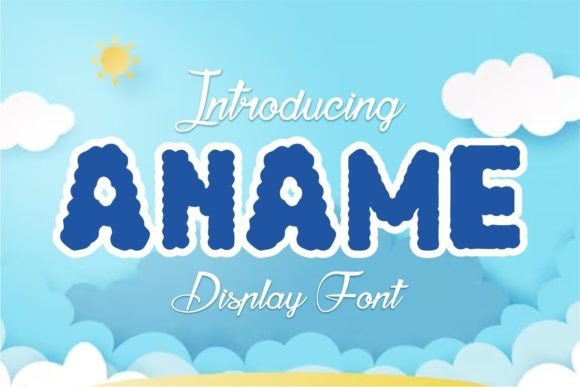
Aname: A Playful Display Font for Editorial Design
I was deep into redesigning a lifestyle blog layout when I stumbled upon Aname, a display font that immediately caught my eye. As someone who values the emotional tone of typography, I knew it had to be more than just pretty letters — it needed to feel right in the context of the content. Aname delivered on both counts: it’s a Fonts typeface that brings warmth and whimsy without sacrificing clarity or elegance.
Aname in Blog Headers and Article Titles
When building out headers for a blog post about seasonal living, I found myself drawn to Aname’s organic curves and gentle bounce. It’s not an aggressive display font, but rather one that invites the reader in with a soft, hand-crafted charm. The rhythm of each letter feels like a cheerful melody, making it perfect for article titles where you want to set a welcoming mood.
What stood out most was how Aname could elevate even the simplest phrases. For instance, a header reading “Spring Cleaning Tips” became something far more engaging simply by swapping in this Display font. Readers paused longer on the page, and the overall aesthetic felt more curated and intentional.
Aname for Recipe Ebooks and Culinary Content
Later, I used Aname while designing a recipe ebook for a small food blogger. The title page called for something lively yet approachable, and Aname fit the bill perfectly. Its playful energy complemented the colorful photography and made the entire cover feel inviting.
For chapter openers and section headings within the book, Aname added a sense of personality without overwhelming the reader. I paired it with a clean sans serif body font to maintain readability, and the contrast worked beautifully. The result? A publication that felt fresh and fun, exactly what home cooks would expect from a modern recipe guide.
The Right Balance Between Fun and Function
One concern I always have with display fonts is whether they can hold their own across different platforms and formats. Would Aname work as well in a PDF download as it did on screen? Surprisingly, yes. The font retained its charm in print materials and looked crisp on mobile devices too. That versatility makes it a great choice for digital publications, downloadable guides, and printed cookbooks alike.
Aname in Wedding Guides and Branding Projects
Recently, I was tasked with creating a printable wedding guide for a boutique stationery brand. The client wanted something that felt personal and joyful. After testing several options, Aname emerged as the clear favorite. Its whimsical charm matched the romantic and creative vibe of the project.
Used sparingly in key areas — like the main heading and pull quotes — Aname helped create a visual hierarchy that guided the reader through the guide. It also played well with more formal serif fonts for body text, striking a balance between elegance and playfulness. This kind of thoughtful Font pairing is essential in editorial design, and Aname made it easy.
Readability Considerations and Use Limits
While Aname shines in headlines and short-form text, it’s important to recognize its limitations. Like many display fonts, it’s not ideal for long paragraphs or dense reading. But that doesn’t mean it should be overlooked. In fact, knowing where to place it is half the battle in good typographic design.
Here are a few scenarios where Aname excels:
- Cover text for digital magazines or newsletters
- Section headings in course PDFs or coaching workbooks
- Pull quotes or decorative accents in blog layouts
- Titles for printable planners or wellness guides
Each time, the font adds a layer of visual interest without compromising legibility. And because it’s designed with care, it handles subtle nuances like ligatures and alternates well, giving designers room to craft unique layouts.
Aname for Digital Magazines and Newsletter Graphics
In a recent redesign of a digital magazine layout, I experimented with using Aname for the masthead. The editor was looking for a way to inject more character into the publication’s branding. Aname provided that spark, especially in combination with a minimalist sans serif for navigation and captions.
Its use wasn’t limited to the header alone. I applied it to issue titles and feature banners, which gave the magazine a cohesive identity while keeping the design from feeling too static. The font’s friendly demeanor softened the editorial tone, making the publication feel more like a conversation than a lecture.
Pairing Aname with Complementary Fonts
As with any Display font, the success of Aname in an editorial layout depends heavily on how it pairs with other typefaces. I’ve found that contrasting it with a neutral serif or sans serif works best. For example:
- Aname + Lora (serif) — ideal for blog headers and pull quotes
- Aname + Open Sans (sans serif) — excellent for newsletter graphics and social media posts
These pairings let Aname take center stage where it belongs, while ensuring the rest of the text remains easy to read. When working with Fonts in editorial contexts, it’s all about harmony and purpose — and Aname helps achieve that effortlessly.
Aname in Printables and Creative Branding
Another area where Aname truly shines is in printable products. Whether it’s a monthly planner, a mindfulness worksheet, or a productivity guide, the font brings a sense of joy and intentionality to every layout.
I once used Aname for a wellness printable series, where each month’s theme was introduced with a custom header. The font’s lively character made the titles feel more personal and engaging, encouraging users to interact with the content more deeply. It also helped differentiate the brand from competitors who leaned too heavily on rigid, corporate styles.
Design Assets and Commercial Use
Before finalizing any layout that includes Aname, it’s crucial to check the licensing terms. If you’re planning to use it in a commercial publication, such as a paid Fonts bundle, client newsletter, or branded template, ensure the license covers those use cases. Many creators offer flexible licenses, so always review what’s included.
Also, look into the file formats and multilingual support if your audience spans multiple regions. Aname comes with a range of weights and styles, allowing you to adapt it to various needs — from bold headers to delicate subtitles. These details matter, especially when building a professional Display font library for your next editorial project.
Aname as Part of a Modern Typography Toolkit
Typography is often underestimated in editorial design, but it plays a huge role in shaping how readers engage with content. Choosing the right Fonts isn’t just about aesthetics — it’s about crafting a narrative through visuals.
Aname has become a staple in my toolkit for precisely that reason. It’s a display font that knows when to be bold and when to be gentle, making it adaptable to a wide array of projects. From digital magazines to printable planners, Aname consistently elevates the design while maintaining a warm and accessible tone.
There’s something special about a typeface that feels like it was created with the same attention to detail as the content it supports. Aname isn’t just another Display font — it’s a companion in the creative process, helping bring ideas to life with flair and finesse.
Where to Use Aname Most Effectively
To make the most of Aname, consider these strategic placements in your design:
- Blog headers — sets a positive and engaging tone
- Ebook titles — draws attention while staying readable
- Newsletter graphics — creates visual impact without clutter
- Wedding invitations — adds a touch of whimsy and romance
- Chapter openers — introduces new sections with personality
- Printable worksheets — encourages interaction with its lively form
By using Aname thoughtfully, you can enhance the storytelling aspect of your publication. It becomes more than just text — it becomes an experience.
Aname and the Art of Editorial Hierarchy
One of the joys of working with Aname is how it naturally supports visual hierarchy. In editorial design, guiding the reader’s eye is critical, and a well-chosen Fonts can make all the difference. Aname’s distinct shape and expressive strokes help distinguish headings from body copy, even in minimalistic layouts.
I particularly enjoy using it for feature pages in digital magazines, where it helps draw attention to the story without being overbearing. It’s also effective in course PDFs, where it can be used to highlight key modules or learning outcomes.
But again, restraint is key. Aname is at its best when used for emphasis, not excess. Too much of it in a single layout can dilute its impact and confuse the reader. Think of it as a spotlight — use it to illuminate the most important parts of your content.
Creating Consistency with Aname
Consistency is a cornerstone of strong brand identity. Even though Aname is a display font, it can be part of a consistent visual language when used alongside complementary Fonts. For instance, using Aname for all major headings in a blog or magazine ensures that the reader instantly recognizes the structure of the publication.
It’s also useful for content branding in niche markets like lifestyle, wellness, and culinary design. The font’s cheerful nature aligns well with brands that aim to inspire, educate, and connect with audiences on a personal level.
Final Thoughts on Aname and Typographic Expression
Working with Aname has reminded me of why typography matters. It’s not just about choosing a nice-looking Fonts — it’s about finding one that resonates with the message and audience. Aname does that with grace, offering a blend of whimsy and professionalism that’s hard to find in a single typeface.
Whether you’re launching a new blog, redesigning a newsletter, or putting together a digital product, Aname is worth considering. It’s a display font that understands its role, enhancing the design without overpowering it. And in a world where first impressions are everything, that’s a powerful asset.
If you’re looking to add some heart and humor to your editorial layouts, give Aname a try. You might just find that it’s the missing piece in your design puzzle — one that transforms a basic headline into a memorable statement.