Lumidtz: A Bold, Modern Display Font for Digital Design
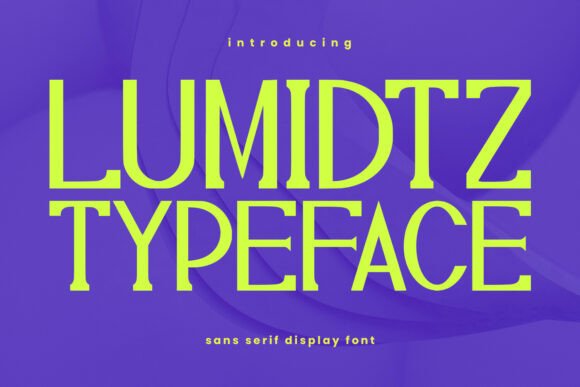
As a web designer, I’m always on the hunt for display fonts that bring personality and clarity to a layout. Recently, I stumbled upon Lumidtz, a clean and modern sans serif display font that immediately caught my eye with its bold, stylish letters. In this article, I’ll walk through how I tested it in a real project—a creative portfolio site—and what I learned about using it effectively in digital design.
Lumidtz in Action: Hero Section of a Portfolio Website
I was working on a redesign for a freelance photographer’s online portfolio when I first tried Lumidtz. The hero section needed a strong visual anchor—something that would command attention while still feeling professional and contemporary. After testing several display fonts, Lumidtz stood out for its confident structure and smooth curves. It didn’t feel too playful like many script or handwritten fonts can be, but it had enough character to avoid blending into the background.
On large screens, the font rendered beautifully over a full-width image banner. Its contrast helped the headline pop without overwhelming the content beneath. When I previewed the layout on mobile, I was impressed by how well it scaled down. Even at smaller sizes, the bold weight kept the text legible and impactful, which is crucial for maintaining brand presence across devices.
Using Lumidtz for Logo Design and Branding
One of the standout qualities of Lumidtz is its versatility in branding. For the same portfolio project, I designed a logo using the font. It worked exceptionally well for the client’s aesthetic—they wanted something minimal yet memorable. The clean lines and open letterforms made it easy to stylize with simple color treatments or subtle shadows, while the bold nature ensured visibility even in small logo sizes on social media avatars and email signatures.
When building a digital brand kit, I found that Lumidtz could serve as a central element for headers and key branding elements without clashing with more traditional sans serif body fonts. This balance is essential for creating a cohesive visual identity that feels both modern and trustworthy.
Headlines That Demand Attention: Lumidtz for Landing Pages
Landing pages are all about making a quick impression, and Lumidtz delivers exactly that. I used it in a product landing page for a SaaS startup focused on productivity tools. The headline read “Transform Your Workflow,” and the font gave it just the right amount of punch to stand out from the rest of the content. Visitors were able to scan the page faster because the visual hierarchy was clear—the bold, modern typography guided their eyes naturally to the most important message.
What I noticed was that the font didn’t distract from the supporting copy, unlike some other display fonts I’ve used. Instead, it acted as a strong opener that set the tone for the entire page. This kind of usability is rare in decorative fonts, making Lumidtz an excellent choice for brands looking to balance style with function.
Designing with Lumidtz: Readability Tips for Web Use
While Lumidtz is undeniably stylish, it’s also practical. Here are a few tips I picked up during testing:
- Use it for short phrases: Because it’s a display font, Lumidtz works best in headlines, logos, and call-to-action buttons. Avoid using it for long paragraphs or dense blocks of text.
- Pay attention to spacing: The generous x-height and open apertures make it readable at a glance, but adjusting letter and word spacing slightly improved legibility in tight layouts.
- Test on dark and light backgrounds: I found that it looked sharp on both dark and light tones, though lighter weights performed better on darker surfaces for added contrast.
- Optimize for mobile: On smaller screens, I limited the use of Lumidtz to hero titles and primary headings, ensuring that the user experience remained smooth and uncluttered.
Font Pairing: How to Balance Lumidtz in Your Layouts
Choosing the right font pairing is half the battle in any good design. I paired Lumidtz with a minimalist sans serif for body text, like Inter or Lato. The result was a harmonious contrast—bold and expressive at the top, clean and approachable further down. This combination helped maintain a modern feel while keeping the overall design from becoming too heavy or chaotic.
If you’re aiming for a more editorial or corporate vibe, consider pairing it with a refined serif font such as Merriweather or Playfair Display. The serif font adds sophistication, letting Lumidtz shine as the energetic focal point. Just be careful not to mix too many fonts; sticking to two or three different styles ensures your brand remains consistent and visually grounded.
Testing Lumidtz on a Boutique Online Store
A few weeks later, I was working on a boutique fashion store website. The client wanted something trendy but timeless for their brand. I applied Lumidtz to the main header and category labels. The boldness of the font helped highlight each product section clearly, making navigation easier for users.
For banners promoting seasonal sales, I layered Lumidtz over high-quality images. The font’s clarity allowed me to reduce the need for extra styling like outlines or drop shadows, which simplified the code and improved loading times. It’s rare to find a display font that looks great and stays performant, especially on image overlays, but Lumidtz delivered both.
Why Choose Lumidtz for Creative Projects
There are countless display fonts available today, but not all translate well to digital environments. Many look amazing in print but fall flat online due to poor scalability or readability issues. Lumidtz avoids these pitfalls. It’s optimized for screen use, with clean shapes and balanced proportions that work across resolutions and platforms.
Another plus is that it doesn’t lean too heavily into trends—it has a modern edge without being gimmicky. This makes it a safer bet for long-term projects where you don’t want your typography to date quickly. Whether you're designing a coaching website, course sales page, or campaign landing page, Lumidtz brings a sense of professionalism and polish.
Building Visual Hierarchy with Lumidtz
Visual hierarchy is critical in digital design, and Lumidtz helped me elevate it significantly. I used it for section headings and subheadings, which created a natural flow between content blocks. Users were able to skim the page effortlessly, finding what they needed without getting lost in the details.
In one case, I paired it with a secondary heading font for product descriptions. This subtle shift in typeface allowed me to create depth and rhythm in the layout, enhancing the overall browsing experience. The boldness of Lumidtz also made it ideal for CTA buttons—its presence encouraged clicks and interactions, subtly influencing user behavior.
Lumidtz for Branded Web Content and Campaigns
On a campaign landing page for a wellness retreat, I integrated Lumidtz into the promotional banner and event title. The font’s modern appeal aligned perfectly with the brand’s fresh and vibrant messaging. It wasn’t too serious (like some serif fonts might be), nor was it too casual. That middle ground is perfect for campaigns that want to inspire action while staying credible.
Its ability to hold attention also meant that users spent more time reading the key selling points before moving on. This subtle increase in engagement is invaluable when you’re trying to convert visitors into leads or customers.
Checking File Formats and Licensing Before Launch
Before finalizing the designs, I always check the file formats and licensing of the font. Lumidtz offers standard webfont formats like WOFF and TTF, which are essential for cross-browser compatibility. I confirmed that it included Latin characters and common symbols, which covered the needs of most international clients.
Commercial font licensing was another consideration. Since the client intended to use it on multiple platforms including their online shop and marketing materials, I made sure the license supported commercial use and scaling across different mediums. This step is often overlooked, but it’s vital for protecting both the designer and the business owner.
Real-World Applications of Lumidtz
Here are a few real scenarios where Lumidtz could fit seamlessly into your digital toolkit:
- Editorial websites: For blog headers or feature titles, it gives a modern twist without sacrificing readability.
- Course sales pages: Highlight course names or taglines with Lumidtz to grab attention and convey confidence.
- Digital ads: Use it for short, punchy headlines in social media or Google Ads to cut through the noise.
- Brand assets: Incorporate it into branded PDFs, email templates, and social posts for a unified look.
- Portfolio sites: Showcase your work with a headline font that speaks to your creativity and professionalism.
Final Thoughts on Typographic Choices
Typography isn’t just about picking something that looks good—it’s about understanding how a font behaves in context. Lumidtz is a prime example of how a display font can enhance both the aesthetics and functionality of a website. Its bold, stylish letters add flair without compromising clarity, which is a tough balance to strike in the world of digital design.
After integrating it into several projects, I’ve come to appreciate how it elevates the brand experience. It helps create a visual identity that’s both modern and memorable. If you’re a UI designer, web designer, or anyone involved in shaping a digital product, Lumidtz deserves a spot in your font library.
How to Get Started with Lumidtz
To start using Lumidtz, check if it includes the styles you need—bold, regular, italic, etc.—and ensure it supports your target language. Once you’ve confirmed the file formats and licensing terms, download the font and integrate it into your CSS with @font-face or via a webfont service.
Remember, the best way to evaluate a display font is to see it in motion. Test it in your actual design projects, watch how it performs on different devices and screen sizes, and let your audience guide your final decision. With Lumidtz, you’re not just choosing a font—you’re choosing a tool that can help you build a stronger, more engaging brand online.