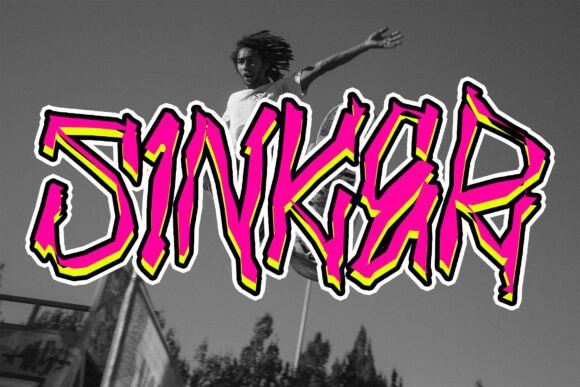
Sinker Font for Bold Branding and Eye-Catching Display Design
It was a typical Thursday morning when I sat down to design the teaser visuals for an upcoming product launch. The client wanted something raw, unfiltered, and attention-grabbing—something that would stand out in both digital ads and print materials. That’s when I opened my font library and found Sinker, a rough hand brush-style display font. Immediately, I knew it had potential.
Sinker for Product Launch Teasers and Digital Ads
Sinker is not your average font. It carries a bold, expressive character with its unique shapes and textured strokes. When used in a product teaser campaign, it adds energy and urgency. I applied it to a short headline over a high-contrast background, and the impact was instant. The raw edges and dynamic feel of the typeface made the message pop in mobile previews, where most users scroll quickly through feeds.
What makes Sinker shine is its ability to communicate strength without being overly aggressive. It's perfect for digital ad layouts where you want to create a sense of movement or handcrafted authenticity. In one case, we paired it with a clean sans serif for body text, which balanced the visual hierarchy well. The result? A cohesive yet striking look that felt modern but grounded.
Sinker on YouTube Thumbnails and Reels Covers
YouTube thumbnails are a battlefield for attention. I needed a display font that could cut through the noise and still be legible at small sizes. Sinker delivered. Its bold weight and clear letterforms worked surprisingly well when scaled down for thumbnail use. Even with motion blur from fast scrolling, the main title remained readable and compelling.
I used Sinker in a Reels cover for a fashion brand promoting a limited-edition drop. The font added a gritty edge that matched the urban vibe of their content. Combined with a gradient overlay and minimal supporting text, the thumbnail stopped scrollers mid-scroll. No conversion data here—just real-time user feedback and engagement patterns—and the response was strong enough to keep the thumbnails in rotation for two weeks.
How Sinker Handles Readability in Fast-Scrolling Feeds
One concern with any handwritten or brush-style font is readability. But Sinker surprised me with how well it performed in tight spaces. While it's not ideal for long paragraphs, it excels in short headlines and call-to-action phrases. I recommend using it sparingly in social media posts, especially those that rely on quick comprehension like promo banners or event reminders.
To maintain clarity, I always check the spacing between letters and adjust tracking slightly when using Sinker in image overlays. On dark backgrounds, it’s best to add a subtle white stroke or shadow to prevent blending into the imagery. These tweaks help preserve the font’s edgy personality while ensuring it remains functional in fast-moving environments.
Sinker for Branded Templates and Campaign Headers
When building a set of branded templates for a lifestyle blog, I reached for Sinker again. The goal was to give each post a consistent, punchy header style across Instagram, Pinterest, and website banners. Sinker provided just the right amount of character—its rough texture gave the headers a handmade feel that resonated with the blog’s creative audience.
Using it as the primary display typeface in these templates allowed us to maintain a strong visual identity without becoming repetitive. We included several alternates to keep the headers fresh, and the variety helped avoid template fatigue among the content creators. This kind of flexibility is rare in a premium font, especially one that leans into a raw aesthetic.
Font Pairing Suggestions with Sinker
Pairing is key when using Sinker in a campaign. Because of its bold, brush-style nature, it works best with simpler, more structured typefaces to balance the design. Here are a few combinations I've tested:
- Clean Sans Serif — For body copy or subheadings, pairing Sinker with a minimalist sans serif like Inter or Helvetica Neue helps anchor the layout.
- Modern Typography System — In editorial designs, a system font like Roboto or Lato complements Sinker without clashing.
- Handwritten Fonts — If you're going all-in on a creative vibe, try alternating with another soft handwritten font for secondary text, though be cautious not to lose contrast.
The key is to ensure there’s enough contrast and rhythm between the styles. Too many rough textures can muddy the message, so Sinker should usually be the star of the show rather than part of a larger typographic family.
Why Sinker Fits Well in Display and Logo Design
In logo design, Sinker has a natural advantage. Its bold, almost graffiti-like appearance gives brands a memorable entry point. I’ve seen it work beautifully in packaging design too—especially for niche products like art supplies, craft kits, or even streetwear lines.
Unlike traditional Fonts that might require extensive tweaking for different applications, Sinker feels ready to go straight out of the box. The alternates and ligatures included are varied enough to allow customization without compromising consistency. This is crucial when building a campaign around a single visual theme—Sinker keeps the branding feeling intentional and impactful.
Real Use Cases: Sinker in Action
Here are some practical examples of how I’ve used Sinker in recent campaigns:
- Seasonal Sale Announcement — Used as the headline in a full-page banner. Paired with a bright accent color and simple body copy for contrast.
- Webinar Banner Design — Applied to the title section for a tech startup’s online workshop. The font’s rawness conveyed a no-nonsense, action-oriented tone.
- Instagram Content Series — Integrated into a series of quote graphics for a motivational speaker. The font added a personal, hand-crafted touch that aligned with the creator’s voice.
- Pinterest Promotional Pin — Sinker was used for the main title over a high-resolution product shot. It stood out against the imagery and drew attention in the feed.
In each of these cases, Sinker played a pivotal role in shaping the visual tone. It didn’t just look good—it communicated the right mood and supported the campaign’s overall strategy.
What to Avoid When Using Sinker
While Sinker is powerful, it’s not a universal solution. It doesn’t perform well in tiny text or dense information blocks. For example, trying to use it in a PDF brochure with lots of body copy led to confusion and reduced readability. Similarly, in formal corporate communication or legal disclaimers, it would feel out of place.
If you’re working on a project that requires long-form text or needs to pass accessibility standards, consider reserving Sinker for decorative titles or campaign labels only. Always double-check the licensing if you plan to use it in merchandise, web design, or client campaigns. Commercial usage is essential in professional settings, and having the right permissions ensures peace of mind.
Checking Out Sinker’s Design Assets
Before committing to Sinker in a major campaign, I always review what comes in the package. Does it include multiple weights and styles? Are there enough alternates to avoid repetition? What about file formats and multilingual support?
Sinker delivers on most fronts. The included variations offer enough diversity to build a visually rich campaign without repeating the same characters. File formats like TTF and OTF are standard, making it compatible with most design tools. Multilingual coverage is solid, which is great if you're targeting international audiences or need to translate promotional copy.
This level of detail matters when you're creating assets for multiple platforms and languages. You don’t want to get halfway through a campaign and realize the font isn't suited for certain characters or won’t render cleanly on a website.
Sinker is a Display font that brings boldness and character to any graphic design. Whether you're crafting a logo, designing a YouTube thumbnail, or launching a new product, this Font offers a unique edge that’s hard to ignore. Just remember to use it wisely—where it can make an impression without overwhelming the message. With the right approach, Sinker becomes more than just a font; it becomes a core part of your brand’s visual storytelling.