Rimeon Astonia Font for Editorial Elegance
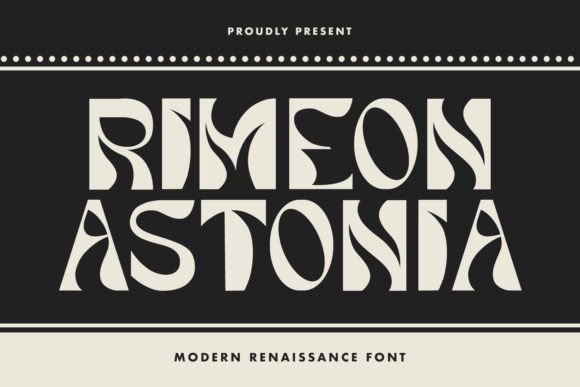
I was sitting at my desk, staring at the latest redesign of a lifestyle blog I’ve been working on. The content was thoughtful, the images were curated with care, and yet something about the header just didn’t sing. It lacked that certain gravitas — the kind that makes you pause and lean in to read more. That’s when I discovered Rimeon Astonia, a display font that feels like a quiet revolution in modern typography.
Rimeon Astonia for Blog Headers with Timeless Appeal
As an editorial designer, I often look for fonts that bridge eras without feeling out of place. Rimeon Astonia does this effortlessly by blending Renaissance-inspired elegance with clean, contemporary lines. Its letterforms have a subtle flourish that evokes old-world charm but are structured enough to maintain clarity in digital formats. When I used it for a blog header, the effect was immediate: readers noticed it more, the title felt intentional, and the overall design exuded sophistication.
The rhythm of the letters is balanced, avoiding the over-the-top curves or sharp angles that can distract from the message. This makes it especially effective for headers in blogs focused on wellness, culture, or personal growth — niches where tone and visual harmony matter deeply. Whether it's a minimalist layout or something more ornate, Rimeon Astonia adapts gracefully, always maintaining its core identity as a premium font.
Rimeon Astonia Display Font in Recipe Ebooks
Another project that called for a refined touch was a collection of seasonal recipe ebooks. I needed a font that could elevate the titles without overpowering them. After testing several options, Rimeon Astonia stood out for its ability to add a sense of craftsmanship to each page. The font’s personality is warm and inviting, making it perfect for food-related content where aesthetics and appetite go hand-in-hand.
I paired it with a simple sans serif for body text, which created a clear contrast and helped guide the reader’s eye through each section. The result was a layout that felt both professional and approachable — exactly what these kinds of publications need to engage home cooks and food lovers alike. The included alternates and ligatures also allowed me to customize headings slightly, adding variety while keeping the design cohesive.
Why Choose Rimeon Astonia for Digital Recipes?
- Elegant character set: Ideal for crafting beautiful chapter openers or feature recipes.
- Modern readability: Maintains legibility even in smaller sizes for ingredient lists.
- Commercial font support: Comes with multilingual glyphs and full licensing for print and digital use.
Rimeon Astonia in Wedding Guides and Branding Materials
Recently, I worked on a wedding planning guide that aimed to feel both romantic and reliable. Choosing the right font was critical — too casual, and it lost its polished edge; too formal, and it risked being inaccessible. Rimeon Astonia offered the perfect middle ground. Its timeless design brought a sense of tradition and romance to the cover and section headings, while the modern structure ensured it wouldn’t blur on mobile screens or in PDFs shared online.
For branding elements like save-the-date cards and event announcements, I used lighter weights of the font to give them a softer, more delicate presence. In the main guide pages, bolder versions provided emphasis without overwhelming the reader. The result? A publication that felt both aspirational and trustworthy, a rare balance in editorial design.
Readability Across Formats
One thing I always check before finalizing a font is how it behaves across different mediums. Rimeon Astonia performed admirably in print materials, where its Renaissance-style serifs added a layer of richness. On screen, especially for digital magazines or downloadable planners, the font retained its elegance without sacrificing clarity. Even in low-resolution exports, it held up well — a testament to its high-quality design and attention to detail.
Font Pairing Ideas with Rimeon Astonia for Editorial Layouts
Pairing fonts can make or break a publication. As a display font, Rimeon Astonia needs a partner that grounds it. For most projects, I recommend pairing it with a readable serif or a clean sans serif. In a recent digital magazine layout, I used Rimeon Astonia for article titles and combined it with Georgia for body copy. The contrast was elegant, and the hierarchy was immediately clear.
If you're aiming for a more modern editorial style, consider a sans serif like Lato or Open Sans for captions and navigation bars. The key is to let Rimeon Astonia shine where it belongs — in headlines, pull quotes, and other display elements — while ensuring the supporting text remains easy to digest.
Real Use Cases in Content Design
- Magazine covers: Used Rimeon Astonia for the main title, giving it a distinguished edge.
- Newsletter headers: Added visual interest with the font’s unique x-height and stroke variation.
- Printable planners: Incorporated it into decorative accents and chapter dividers for a refined touch.
Creating Visual Hierarchy with Rimeon Astonia Fonts
Visual hierarchy is essential in any publication, whether it’s a course PDF or a brand newsletter. Rimeon Astonia helps establish hierarchy naturally due to its strong presence and consistent proportions. In one case, I used it for subtitles in a coaching workbook, allowing it to act as a gentle guide between larger, bold section titles and the body text below.
This layered approach made the content easier to navigate and gave the publication a more curated feel. Readers could skim the material more comfortably, finding their way through exercises and insights without confusion. The font’s mood was just right — serious enough for educational content but not so rigid that it discouraged engagement.
Designing for Mobile and Print Consistency
When building layouts for dual-purpose content (like a printable planner that also lives online), consistency is crucial. I tested Rimeon Astonia in both environments and found that it maintained its shape and elegance across platforms. The file formats included OTF and TTF, which work seamlessly in InDesign, Canva, and even Google Docs, ensuring flexibility without compromise.
Rimeon Astonia for Chapter Titles and Pull Quotes
In editorial design, pull quotes and chapter titles are the unsung heroes of reader engagement. They provide visual breaks and highlight key ideas. Rimeon Astonia has become one of my go-to choices for these purposes because it adds a level of intentionality to every line it touches.
For a course PDF I was designing, I used Rimeon Astonia in a semi-bold weight for chapter openers. It introduced each new section with a sense of importance, encouraging learners to dive deeper. In another project, a digital newsletter for a creative brand, I styled pull quotes with the font to draw attention to client testimonials and featured stories. The result was a publication that felt alive, dynamic, and visually guided.
Styling Options and Alternates
What sets Rimeon Astonia apart is the inclusion of stylistic alternates and ligatures. These small variations can transform a standard headline into something memorable. I found myself using them sparingly — just enough to create visual interest without overdoing it. This attention to detail is especially important for independent creators who want to build a distinct brand identity through typography.
Rimeon Astonia in Lifestyle Publications and Brand Identity
Lifestyle blogs and magazines often walk a fine line between fashion-forward and reader-friendly. Too much typographic flair can alienate audiences, while too little might leave the design feeling flat. Rimeon Astonia offers a solution by combining a modern typeface with the warmth of traditional calligraphy.
I applied it to a blog redesign where the goal was to reflect a blend of historical inspiration and present-day relevance. The font fit perfectly with the brand’s mission of celebrating slow living and mindful design. It became the cornerstone of the site’s visual identity, appearing in headers, logo treatments, and even sidebar widgets. The outcome was a publication that felt both authentic and elevated — a subtle luxury for everyday readers.
Multilingual Support and File Formats
Because many of my clients serve international audiences, I always look for fonts with broad language support. Rimeon Astonia includes glyphs for multiple languages, making it suitable for global publications. The file formats are comprehensive, including web-ready WOFF files for those who want to embed the font directly into their sites.
Rimeon Astonia for Printables and Digital Templates
Printables — from planners to worksheets — require fonts that are both stylish and functional. Rimeon Astonia fits the bill when used thoughtfully. I used it in a printable wedding guide, where it appeared in section headers and decorative flourishes. The font added a sense of occasion without becoming distracting.
It’s also useful in digital templates for newsletters or social media graphics. Because it’s a display font, it works best in short bursts rather than long paragraphs. But when used correctly, it can elevate your content’s perceived value and help your brand stand out in a crowded market.
Choosing the Right Weight for Each Project
One of the advantages of Rimeon Astonia is its range of weights. From light to bold, each variant serves a purpose. Lighter styles work well for subtle accents or background text in posters, while bolder versions command attention in ebook titles or landing page headers. I particularly enjoy using the medium weight for editorial features — it’s versatile and expressive without being showy.
Why Rimeon Astonia Works Better Than Script or Handwritten Fonts
Script and handwritten fonts can be beautiful, but they often come with readability trade-offs. Rimeon Astonia avoids this issue by offering a structured, yet graceful form. It doesn’t mimic handwriting, which can be hard to decipher, nor does it rely on overly intricate strokes that may not render well in all contexts.
Its Renaissance influence gives it a sense of history and refinement, but the modern construction ensures it doesn’t lose itself in translation. This makes it ideal for publications that aim to feel both artistic and accessible — like a digital magazine covering art history or a course PDF on cultural storytelling.
Use Cases Where Script Fonts Fall Short
- Web publishing: Script fonts often pixelate poorly; Rimeon Astonia retains crisp edges.
- Long-form reading: Subtle serifs in Rimeon Astonia improve readability compared to cursive styles.
- Brand consistency: Unlike many script fonts, Rimeon Astonia maintains a professional appearance across all uses.
Final Thoughts on Typography Choices for Modern Publishing
Typography is never just about looks — it’s about communication, mood, and trust. Rimeon Astonia proves that a display font can carry both weight and grace, making it a valuable asset in any editorial toolkit. Whether you’re creating a blog post, an ebook, or a digital magazine, the right font choice can enhance the message and make the experience more immersive for your audience.
By choosing Rimeon Astonia, you’re not just selecting a font — you’re investing in a design element that speaks volumes about your brand’s attention to detail. It brings a quiet confidence to your layouts, helping you craft a reading experience that feels both current and classic.