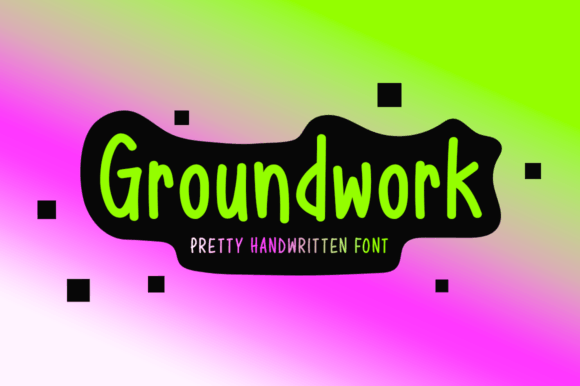
Groundwork Font: A Handwritten Typeface for Editorial Elegance
I recently found myself sitting at my desk, staring at the header of a new lifestyle blog I was working on. The title needed something more than just another generic sans serif — it had to feel warm, inviting, and uniquely crafted. That’s when I discovered Groundwork, a handwritten font that immediately caught my eye with its natural rhythm and artistic flair. As a blogger who values both function and form in design, Groundwork felt like the perfect addition to an editorial toolkit.
Groundwork for Wedding Guides and Branding Projects
When I first opened the font preview, I imagined how it might look on a wedding guide I’d been designing for a client. The delicate curves and organic flow of each character gave it a soft, romantic quality that resonated perfectly with the theme. It wasn’t too ornate or difficult to read, but it still carried a sense of personal touch and elegance. For a wedding guide or any project centered around emotion and storytelling, Groundwork offers a balance between personality and clarity.
The Display category classification makes it ideal for headlines and cover text rather than dense body copy. But even in those larger roles, it maintains enough structure to avoid becoming illegible. This flexibility is rare among handwritten fonts, which often lean too far into cursive whimsy and lose their legibility in the process.
How I Used Groundwork in a Recipe Ebook Cover
A few weeks later, I was tasked with redesigning the cover for a popular recipe ebook. The original version used a bold sans serif, which worked well but lacked warmth. After testing several options, I landed on Groundwork as the main title font. Its gentle strokes and slight irregularities gave the cover a handmade, artisanal feel — exactly what the content deserved.
I paired it with a clean serif font for the subtitle and author name, ensuring the contrast helped direct the reader’s attention. The result? A cover that felt both professional and personable. Readers would know this was a publication made with care, not just convenience.
Groundwork in Digital Magazine Layouts
In the world of digital magazines, visual hierarchy is everything. I used Groundwork in a feature layout for a wellness magazine I was formatting for web use. It served beautifully as the chapter opener font, drawing readers into each story with a sense of curiosity and comfort. Unlike many display fonts that can feel jarring or overly stylized, Groundwork’s subtle texture and spacing allowed it to integrate smoothly into the overall design.
What stood out most was how it maintained a consistent tone across different sections. Whether I used it for pull quotes, article titles, or decorative accents, it always felt intentional and cohesive. That kind of consistency is key for building a strong publication identity.
Testing Groundwork for Newsletter Headers
Another project where I tried Groundwork was a monthly newsletter for a small creative coaching business. The goal was to create a header that felt welcoming yet authoritative. I used it in combination with a minimalist sans serif for the supporting text and navigation links. The contrast worked wonders — the handwritten style brought a human element, while the sans serif kept the rest of the page clean and scannable.
On mobile screens, the font scaled well without losing its charm. It didn’t become pixelated or distorted, which is a common issue with some handwritten fonts. This adaptability made it a reliable choice for newsletters that need to render clearly across devices.
Groundwork for Printables and Course PDFs
Printables are one of my favorite places to test new fonts because they demand both aesthetic appeal and readability. In a recent printable planner, I used Groundwork for section headings and decorative elements. The font added a tactile, almost journal-like quality to the pages. It didn’t overwhelm the layout but instead encouraged users to engage more deeply with the content.
For course PDFs, especially those focused on lifestyle or self-development topics, Groundwork can be a great asset. It works especially well for motivational headers or chapter openers. Just make sure to keep the body text in a more neutral typeface to maintain legibility over long reading sessions.
Font Pairing Tips for Editorial Design
One of the best parts about using Groundwork is how easily it pairs with other fonts. Since it belongs to the Display category, it shines when contrasted with a structured serif font or a modern sans serif. I’ve found that pairing it with something like Lora or Merriweather adds a grounded, literary feel, while a sleek Montserrat or Inter brings a contemporary edge.
Here are a few practical pairings I recommend:
- Groundwork + Lora: Ideal for blogs and print magazines with a classic, literary vibe.
- Groundwork + Inter: Perfect for modern digital publications and newsletters.
- Groundwork + Playfair Display: Great for luxury branding and elegant book covers.
Groundwork for Lifestyle Blogs and Content Branding
Lifestyle blogs often rely on a warm, approachable visual language. Groundwork fits right into that aesthetic. I used it for a seasonal update on a wellness blog, where it appeared in post titles, callout boxes, and sidebars. The font’s handwritten nature made it feel more personal, less corporate, and more aligned with the brand’s voice.
It also helped reinforce the blog’s brand identity by creating a signature style that could be repeated across headers, social media graphics, and email templates. This kind of repetition builds recognition and trust with the audience — and Groundwork did it all without feeling forced or gimmicky.
Readability Across Platforms
Even though Groundwork is a display font, I was impressed by how readable it remained on screen. On high-resolution monitors, the fine details shine through, making it suitable for digital product headers and website banners. When exporting to PDF, it retained its crispness, so it’s safe to use in downloadable guides or workbooks.
For print materials, the font’s slightly textured appearance gives a nice analog feel. I tested it on a printed wedding guide sample, and it looked stunning. The ink rendered the strokes cleanly without bleeding, which is essential for any Fonts used in physical publications.
Groundwork in Chapter Openers and Pull Quotes
If you’re designing an ebook or a printed book, consider using Groundwork for chapter openers and pull quotes. These are the moments where you want to capture attention, and a well-chosen display font can do just that. Groundwork doesn’t shout; it whispers with style, guiding the reader into the next section with grace.
I used it in a chapter opener for a personal development workbook and received positive feedback from beta testers. They mentioned how the font seemed to “invite them to start reading,” which is a powerful effect in editorial design. And since it’s a handwritten font, it feels more like a personal note than a mass-produced headline.
Practical Considerations Before Downloading Groundwork
Before committing to Groundwork for your next project, take a moment to review the included styles and alternates. Some versions may offer ligatures or special characters that enhance the font’s expressiveness. Also, check the file formats available — TTF and OTF are standard for most Fonts used in print and digital publishing.
Commercial licensing is important if you plan to use it in paid publications, digital downloads, or client projects. Make sure the license supports your intended use case, whether it’s for a recipe ebook, a branded newsletter, or a printable planner. Many designers overlook this step, only to face legal complications later.
Groundwork for Coaching Workbooks and Educational Materials
Coaching workbooks often benefit from a friendly, engaging tone. Groundwork helped me elevate the design of a mindfulness journal template by adding a sense of authenticity and creativity. I used it sparingly for section headings and prompts, allowing the reader to focus on the content while still enjoying a visually pleasing layout.
Its modern typography also makes it suitable for educational materials aimed at creative professionals. If you're producing worksheets, guided exercises, or interactive content, Groundwork can add just the right amount of personality without distracting from the message.
Why Groundwork Feels Right for Editorial Use
There’s something reassuring about a handwritten font that feels like it was created by someone with real intent and passion. Groundwork carries that sentiment effortlessly. It’s not trying to mimic handwriting — it is handwriting, refined and purposeful. This distinction is subtle but meaningful, especially in editorial contexts where the reader expects thoughtful design.
As a designer, I appreciate how it respects the rhythm of the text. Each letterform flows naturally, maintaining a visual harmony that’s hard to achieve with many script fonts. It’s this balance that makes Groundwork feel both stylish and trustworthy — two qualities every premium font should embody.
Groundwork in Social Media Graphics and Web Design
Social media graphics require a certain level of visual impact, and Groundwork delivers. I used it for a series of Instagram posts promoting a digital magazine launch. The font added a sense of exclusivity and handcrafted detail that helped the content stand out in a crowded feed. It also worked well as a secondary accent font for buttons and tags, reinforcing the overall design language without overpowering it.
For web design, especially landing pages and content hubs, Groundwork can serve as a hero font. It’s versatile enough to appear in logos, headers, and short bursts of text without losing its charm. Just ensure you optimize its usage for screen sizes and accessibility standards — no Fonts should come at the cost of usability.
Final Thoughts on Font Choice and Reader Experience
Choosing the right font isn’t just about aesthetics — it’s about crafting a reading experience that feels authentic and comfortable. Groundwork has proven itself to be more than just another display font; it’s a bridge between creativity and clarity. Whether you’re designing a digital magazine, a printable planner, or a lifestyle blog, it’s worth considering how this typeface might help shape your publication’s voice.
Every time I use Groundwork, I’m reminded of how much thought goes into the right typography choices. It’s not just about looking good — it’s about making the reader feel seen, heard, and welcomed. That’s the power of a well-designed Fonts like Groundwork in editorial spaces.