Rainy Beauty: A Creative Font for Editorial Design
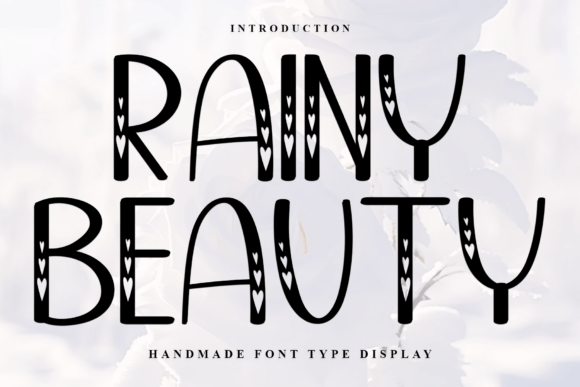
As a content creator or editorial designer, your choice of font can make or break the visual tone and readability of your publication. Rainy Beauty, a display font in the fonts category, offers a unique blend of warmth, friendliness, and playfulness that’s hard to find elsewhere. Its round, soft strokes create an inviting atmosphere, making it especially suitable for projects where personality and approachability are key. Whether you're designing a blog header, crafting a wedding invitation, or building a brand identity, Rainy Beauty brings a creative edge that enhances both style and substance.
Rainy Beauty for Wedding Invitations and Elegant Branding
Wedding invitations require more than just clarity—they demand charm and emotional resonance. Rainy Beauty fits this need perfectly with its casual yet elegant character. The playful curves and gentle rhythm of the letters evoke a sense of joy and celebration, aligning beautifully with the themes often found in weddings. As a display font, it shines when used for titles, names, and decorative accents rather than dense body text.
Incorporate Rainy Beauty into your branding materials for events like bridal showers, anniversary cards, or even as part of a stationery suite. Its friendly nature ensures it doesn’t feel too formal, while still maintaining enough sophistication for printed or digital designs. When paired with a clean sans serif font for captions or details, it creates a balanced and visually appealing layout.
Using Rainy Beauty in Magazine Covers and Article Headers
Magazine covers and article headers serve as the first impression for readers—so they need to grab attention quickly. Rainy Beauty, with its expressive letterforms, adds a personal touch that can differentiate your publication from the competition. It works particularly well in niche magazines such as lifestyle, wellness, or creative writing journals where a warm and human voice is essential.
When using Rainy Beauty on magazine covers, consider how its bold presence can anchor a minimalist design or complement rich imagery. For article headers, use it sparingly to maintain hierarchy and readability. Since it's a display font, it’s best reserved for short lines of text where its character can shine without overwhelming the reader.
Rainy Beauty in Digital Publications and Ebook Titles
Digital publications and ebooks often benefit from a strong typographic identity. Rainy Beauty, as a creative font, introduces a conversational tone that feels less corporate and more personable. This makes it ideal for titles, chapter openers, and pull quotes in digital formats like PDFs or online magazines.
If you're creating an ebook on mindfulness, travel, or self-care, Rainy Beauty can add a soothing and artistic flair to the title page. However, ensure the rest of your typography supports long-form reading by pairing it with a readable serif or sans serif font. Always test how the font looks across devices—its rounded edges should remain crisp and clear on both screens and in print.
Rainy Beauty for Newsletter Graphics and Social Media Content
Newsletters and social media graphics are all about engagement and visual storytelling. Rainy Beauty, being a display font, allows you to craft eye-catching headlines and call-to-action buttons that reflect a welcoming vibe. It’s especially effective for newsletters targeting creative communities, small businesses, or lifestyle brands.
Use Rainy Beauty for hero sections or feature headers in your newsletter layouts. If you're promoting a new lead magnet or printable guide, let the font speak to the audience’s desire for creativity and authenticity. For social media posts, pair it with a contrasting font for captions to keep the message legible while maintaining visual interest.
Designing with Rainy Beauty in Quote Layouts and Visual Hierarchy
Quote graphics are a staple in content marketing, and the right font can elevate them from simple text to compelling visual assets. Rainy Beauty, with its friendly and artistic style, is perfect for highlighting motivational messages, client testimonials, or featured articles. As a display font, it commands attention and sets the mood for the quote.
When designing these elements, think about how Rainy Beauty contributes to visual hierarchy. Use it for the main quote and then balance it with a supporting font for attribution or context. The contrast between the two will help guide the reader’s eye and reinforce the importance of the message.
Rainy Beauty in Printable Guides and Educational Workbooks
Printable guides, worksheets, and educational workbooks often rely on a mix of typography styles to maintain structure and interest. Rainy Beauty, while not suited for body copy due to its display font characteristics, can be used effectively for section headings, titles, and decorative prompts. Its playful yet professional look makes it great for content aimed at children or casual learning environments.
Imagine a recipe ebook or a beginner’s cooking guide where each chapter opens with a title styled in Rainy Beauty. It adds a sense of fun and relatability that can make complex topics feel more accessible. Just remember to use it in moderation and always check if the font includes alternate characters or ligatures that could enhance the visual flow of your content.
Rainy Beauty for Blog Headers and Lead Magnets
Blogs thrive on consistent branding and visual appeal. Rainy Beauty, a premium font, helps establish a distinct typographic identity that resonates with readers. It’s particularly useful for blog headers where you want to convey a relaxed, approachable tone. Think of a lifestyle blog focused on home décor, fashion, or food—Rainy Beauty adds a creative and modern touch that reflects the blog’s aesthetic.
For lead magnets like free printable planners or worksheets, using Rainy Beauty in the title or cover design can immediately signal the kind of engaging, user-friendly experience readers can expect. Pair it with a structured sans serif or serif font for the supporting text, ensuring that the overall design remains easy to navigate and read.
Creating Consistency with Rainy Beauty Across Publication Formats
Maintaining a consistent brand identity across blogs, magazines, and newsletters is crucial for recognition and trust. Rainy Beauty, with its distinctive character, can become a signature element in your editorial toolkit. From chapter headings in a digital course to accent typography in a coaching workbook, the font helps unify your visual language.
To keep things cohesive, define how and where Rainy Beauty appears within your content. Is it used only for major headings? Or does it also appear in sidebar widgets or pull-out quotes? Having a clear strategy ensures that your design assets don’t clash and that your brand identity remains strong across platforms.
Readability Considerations for Screen and Print
While Rainy Beauty excels in display settings, it’s important to evaluate its performance in different contexts. On screen, the font renders well at larger sizes, but may lose clarity in smaller text or low-resolution displays. For printables and physical publications, ensure that the font weight and spacing are adjusted to avoid any muddiness in reproduction.
Consider using bolder weights of Rainy Beauty for print materials where contrast and visibility are key. In digital formats, especially mobile layouts, stick to simpler variations to preserve legibility. Always preview your designs in multiple formats before finalizing to guarantee a seamless reader experience.
Font Pairing Strategies with Rainy Beauty
Choosing the right companion fonts is essential when working with a display font like Rainy Beauty. To maintain editorial balance, pair it with a neutral serif or sans serif typeface that complements its warmth without competing for attention. For example, combining Rainy Beauty with a classic serif font like Georgia or Merriweather can create a harmonious blend of creativity and professionalism.
Alternatively, a modern sans serif such as Lato or Montserrat can provide a clean and contemporary backdrop, allowing the playful nature of Rainy Beauty to stand out. These pairings are particularly effective in editorial design for content-heavy publications like digital magazines or downloadable guides where visual variety is needed without sacrificing readability.
Commercial Use and Licensing for Rainy Beauty
If you’re planning to use Rainy Beauty in commercial publications, it’s important to understand the licensing terms. Many creators offer fonts for personal use only, so confirm whether the font you download includes commercial rights for use in paid newsletters, client work, or digital downloads. Some font sellers also provide extended licenses for use in templates, which is especially relevant if you’re selling design assets or creating branded content for others.
Always review the font’s license agreement to ensure compliance, particularly if you’re integrating it into packaging design, logo design, or web design for clients. Choosing a font with robust multilingual support is also beneficial if your publications reach a global audience.
Rainy Beauty in Chapter Openers and Brand Identity Projects
Chapter openers in books, courses, or guides are a great place to introduce a fresh typographic element. Rainy Beauty, with its friendly and approachable feel, can serve as a standout opener that invites readers into the next section. Whether it’s a poetry collection, a creative writing manual, or a meditation journal, the font adds a personal touch that elevates the reading experience.
Additionally, Rainy Beauty can contribute significantly to brand identity projects. For indie authors, bloggers, or small publishers, the font becomes a visual representation of their creative voice. Use it in logos, taglines, or promotional banners to build a memorable and cohesive brand image. The key is to ensure that the font aligns with the overall tone of your content—Rainy Beauty is most effective when used in line with a relaxed, human-centered editorial style.
Real-World Applications: Lifestyle Blogs and Creator Newsletters
Take a lifestyle blog focused on mindfulness and daily inspiration. Using Rainy Beauty for post titles and section headers gives the blog a cozy, handwritten feel that encourages readers to slow down and engage with the content. Similarly, in a creator newsletter, the font can be used for feature highlights or themed segments, reinforcing the personal connection between writer and reader.
Another example is a digital magazine covering arts and crafts. Here, Rainy Beauty can be applied to headings and subheadings, helping to emphasize the creative aspect of the publication. It also pairs well with illustrations or photography, enhancing the overall visual narrative without overpowering it.
Why Rainy Beauty Fits Modern Typography Needs
Modern typography is all about expressing individuality while maintaining clarity. Rainy Beauty, as a creative font, bridges the gap between artistry and functionality. It doesn’t shout for attention; instead, it gently draws the reader in with its soft, approachable curves. This subtlety makes it versatile for editorial design, where the goal is to enhance the message without distracting from it.
Its display font nature means it thrives in spaces where impact matters more than density. From social media graphics to ebook covers, it brings a sense of intimacy and authenticity that resonates with today’s design-conscious audiences. And because it’s a font with character, it naturally supports the development of a strong publication identity.
Final Tips for Integrating Rainy Beauty into Your Workflow
Before downloading Rainy Beauty, consider the purpose of your project. Will it be used primarily for digital content or printed materials? Does it need to support multiple languages or special characters? These questions will help you determine whether the font meets your needs as a content creator or editorial designer.
Once you’ve confirmed compatibility, start experimenting with its placement. Try it in headers, covers, and pull quotes to see how it influences the visual tone of your work. Remember, the best results come from thoughtful integration—use it where it adds value and step back when it might compromise readability.