Opal Orbit: A Playful Typeface for Editorial Design
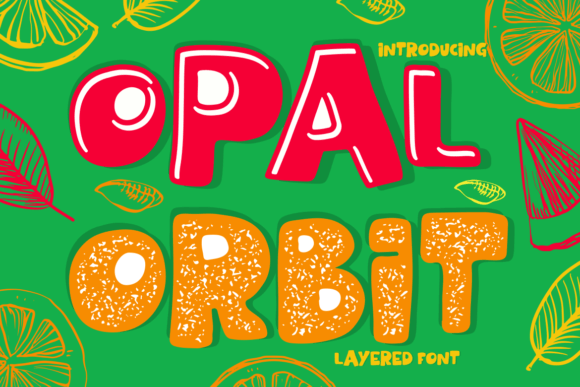
There’s something oddly satisfying about choosing the right font for a publication layout. It’s not just about legibility or aesthetics—it’s about mood, rhythm, and storytelling through type. Recently, I was working on redesigning a digital lifestyle magazine when I stumbled upon Opal Orbit, a layered display font that brought a new kind of energy to the page. Its bold, rounded letters and vibrant character immediately stood out as something different—something fun yet refined. Here’s how it performed in a real editorial setting.
Opal Orbit in Magazine Covers and Article Titles
In editorial design, a cover sets the tone for the entire issue. When I tested Opal Orbit against more traditional sans serif and serif fonts, its whimsical nature created a visual hook that felt both modern and inviting. The layered effect gives each letter subtle depth, which works especially well under high-resolution photography or minimalist backgrounds. It doesn’t scream for attention like some display fonts do; instead, it gently draws the eye with its musical flair.
I found Opal Orbit particularly effective for article titles in a music-themed feature section. The font’s inherent playfulness complemented content about indie artists, vinyl culture, and festival guides without overshadowing the message. Its boldness ensures visibility across devices, from mobile screens to printed spreads, making it a reliable choice for multi-platform publications.
Opal Orbit for Wedding Guides and Event Branding
A few weeks later, I was designing a printable wedding guide for a boutique stationery brand. They wanted something memorable but elegant. While many script and handwritten fonts lean too far into romance or whimsy, Opal Orbit struck a perfect balance. Its clean lines and structured layering gave it an unexpected sophistication, while the rounded edges retained a warm, approachable feel.
Using Opal Orbit for headlines and chapter openers helped establish a consistent brand identity throughout the booklet. It worked seamlessly alongside a softer serif font in body copy, creating a contrast that enhanced readability and added visual interest. The font also paired beautifully with floral accents and watercolor illustrations, common in event design assets.
Opal Orbit in Lifestyle Blogs and Newsletter Headers
Lifestyle blogs often need a voice that’s friendly and expressive. I used Opal Orbit in a redesign of a wellness blog’s header and found it added a lively touch without feeling unprofessional. The font’s playful rhythm matched the upbeat tone of the content, from yoga tutorials to healthy meal ideas.
For newsletter headers, Opal Orbit made a strong impression. It caught attention instantly, which is crucial for opening rates in crowded inboxes. Readers could sense the personality behind the publication even before reading a word. That kind of emotional resonance is rare in display fonts, but Opal Orbit delivers it effortlessly.
Readability and Use in Digital Publications
One concern I had when using a layered font like Opal Orbit was whether it would compromise readability. Surprisingly, it held up well at larger sizes in both web and PDF formats. The bold, rounded letters maintain clarity even when viewed on smaller screens, provided they’re used in 24pt or above. For long-form content like recipe e-books or coaching workbooks, I’d recommend reserving Opal Orbit for headings and pull quotes rather than running text.
Its structure supports good visual hierarchy. In a worksheet layout for a productivity planner, Opal Orbit helped differentiate sections clearly. Used sparingly for key phrases and motivational blurbs, it elevated the overall experience without overwhelming the reader. Just be sure to check the included weights and styles if you plan to use it in multiple contexts within the same project.
Font Pairing and Publication Consistency
Like any display font, Opal Orbit needs a solid partner to keep things grounded. I paired it with a clean, modern sans serif for navigation menus and captions, and a classic serif for body text in a course PDF. This combination maintained consistency across the publication while allowing each element to serve its purpose effectively.
The layered aspect of Opal Orbit makes it ideal for decorative accents and callouts, especially in layouts where you want to highlight a particular idea or quote. But since it’s a display font by nature, it’s best suited for short bursts of text rather than dense paragraphs. I noticed that using it for extended passages reduced readability and distracted from the message.
Commercial Font Considerations for Printables and Templates
If you’re considering using Opal Orbit in commercial projects like paid newsletters, printables, or digital downloads, make sure to review the licensing terms. As a premium font, it likely requires proper attribution or purchase depending on your intended use. I always check what file formats are available and whether multilingual support covers my target audience before committing to a typeface.
For those who sell design assets or templates online, knowing these details upfront is essential. You don’t want to include a font in your product only to find out later that it restricts redistribution. Opal Orbit seems to offer flexibility for editorial designers, but it’s worth confirming to avoid complications down the line.
Opal Orbit in Content Branding and Creative Typography
Brand identity often hinges on typography choices. In a recent project for a music-based podcast, we needed a font that reflected the show’s joyful and spontaneous vibe. Opal Orbit became the cornerstone of our branding toolkit. It appeared in logos, social media graphics, and promotional materials, helping to unify the visual language of the platform.
What I appreciated most was how versatile Opal Orbit felt in creative typography. Whether it was part of a split-letter logo or used as a background graphic in a digital magazine layout, it never lost its charm. The font’s musical theme subtly influenced the design direction, encouraging the use of color gradients and organic shapes that mirrored its energetic style.
When to Avoid Using Opal Orbit
While Opal Orbit excels in display roles, it’s not the best fit for every situation. I avoided using it for body copy in a formal report or academic-style content. Its expressive nature can clash with serious messaging, and small caption text didn’t render cleanly enough for me to trust it in those settings.
That said, this is exactly why it’s labeled as a display font. It thrives in environments where it can shine briefly and then step back. Think of it as the supporting actor in your publication’s story—not the lead, but someone who brings life to the scene when called upon.
Final Thoughts on Opal Orbit and Editorial Projects
Fonts have personalities, and Opal Orbit wears its own with confidence. If you’re looking for a display font that adds a dash of fun and whimsy to your editorial designs, this one deserves a spot in your toolkit. From magazine covers to wedding guides, it has shown itself to be adaptable, engaging, and visually striking.
As with any creative font, the key is thoughtful application. Let it enhance your layout without dominating it. Check its compatibility with your other design elements, ensure you understand its licensing scope, and use it where it will make the biggest impact. Opal Orbit isn’t just another font—it’s a statement in motion, waiting to bring your content to life.