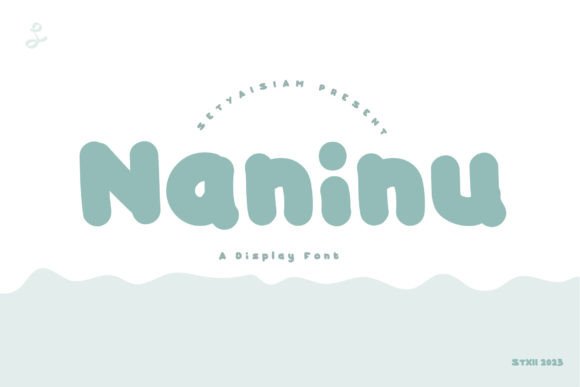
Naninu Display Font: A Quirky Typographic Delight
There’s something magical about the moment when you open a design project and finally find the font that makes everything click. That was exactly my experience when I first tested Naninu, a fun and quirky display font that instantly brought personality to an otherwise standard layout. I was working on a digital lifestyle blog redesign, one that aimed to blend charm with clarity, and Naninu fit like a dream.
Choosing Naninu for a Lifestyle Blog Header
My task was to refresh the header of a wellness-focused blog that had grown stale over the years. The previous font was safe but forgettable—just another generic sans serif doing nothing to reflect the brand’s playful yet thoughtful tone. When I opened the Naninu font file, I knew it would be perfect. Its whimsical curves and delicate flourishes added just the right amount of warmth without overwhelming the clean layout below.
As a display font, Naninu is ideal for headers and section titles where visual impact matters most. It doesn’t demand attention in a loud way but rather draws readers in with its soft, inviting character. This kind of subtlety is what makes display fonts so powerful—they set the mood before the content even begins.
How Naninu Enhances Reader Engagement
One of the biggest challenges in editorial design is keeping the reader engaged from the very first glance. Naninu helps solve this by offering a unique rhythm that feels both lively and elegant. Its letterforms are slightly irregular, giving it a handcrafted feel that’s refreshing in a world full of rigid, robotic typography.
I used Naninu in the main title of each blog post, paired with a simple sans serif body text. The contrast worked beautifully—the whimsy of Naninu guided the eye toward the article titles, while the clean supporting type ensured readability wasn’t sacrificed. Readers didn’t just see the titles; they felt them.
Naninu in Recipe Ebooks and Culinary Content
After successfully integrating Naninu into the blog header, I wanted to test how well it would perform in more compact formats. I chose a recipe ebook layout as my next challenge—a format where visual appeal can make or break the reading experience.
For the chapter openers, I opted for Naninu again. Each section began with a large, centered heading using the font, followed by a short blurb in a contrasting style. The result? A delightful balance between creativity and structure. The font’s lovable touch made the pages feel less instructional and more like a friendly conversation at the kitchen table.
Readability is key in any long-form publication, especially when printed or viewed on smaller screens. While Naninu isn’t suited for body text due to its decorative nature, it shines in pull quotes, sidebars, and feature highlights. Just a few lines here and there were enough to elevate the entire layout without causing visual fatigue.
A Fun Twist for Newsletter Graphics and Digital Magazines
Newsletters often rely on strong visual elements to catch the eye quickly. In one recent newsletter graphic for a seasonal update, I used Naninu for the headline “Spring Has Sprung!” The word choice was lighthearted, and the font matched perfectly. It gave the design a cheerful lift that aligned with the brand’s mission of sharing joyful, practical content.
In a digital magazine layout, I found Naninu particularly useful for feature headings and call-out boxes. It helped differentiate sections without being too bold or aggressive. The font has a certain charm that works especially well in niches like food, fashion, and travel, where a little personality goes a long way.
Bringing Naninu to Wedding Guides and Printables
Wedding guides and printable planners require a delicate balance between formality and creativity. I was designing a digital wedding guide with a modern twist, and Naninu provided just the spark needed to stand out. Used sparingly for headings and decorative accents, it added a sense of elegance and playfulness—perfect for a publication that celebrates love and joy.
When creating printable planners, I always look for fonts that maintain their clarity across different mediums. Naninu held up well in print tests, with no loss of detail or legibility when scaled down for small labels or section headings. Its multilingual support also came in handy for international clients who wanted to use it in bilingual guides.
Why Naninu Works Well in Editorial Layouts
Editorial layouts thrive on hierarchy and harmony. As a display font, Naninu plays a crucial role in establishing visual hierarchy. It naturally commands attention when used for titles and feature graphics, making it easier for readers to navigate the content. But unlike some display fonts that prioritize style over substance, Naninu maintains a surprising level of readability—even in larger sizes.
What really sets Naninu apart is its versatility. While it’s clearly not a font for dense paragraphs, it excels in short bursts of text like headlines, pull quotes, and captions. Its subtle quirks give each piece a personal signature, helping build a stronger brand identity. And for designers who value consistency, it’s reassuring to know that many display fonts come with alternate characters and ligatures that can be explored to enhance variety and visual interest.
Pairing Naninu with Other Fonts for Better Design
Font pairing is an art in itself, and with Naninu, the possibilities are both creative and practical. I paired it with a clean, minimalist sans serif like Lato for body text in an online course PDF. The contrast created a harmonious layout that was easy on the eyes but still visually engaging.
For a more classic look, I’ve also used it alongside a readable serif font like Merriweather. The result was a warm, approachable aesthetic that felt both professional and personable. Whether your publication leans modern or traditional, Naninu adapts well when given the right partner.
Commercial Use Considerations and File Formats
Before finalizing any design for commercial use, I always check the licensing terms. With Naninu, it’s important to confirm whether it allows use in paid publications, digital downloads, or print materials. Many display fonts offer limited commercial licenses, and knowing these details early saves time and potential legal headaches later.
The included styles and alternates in Naninu provide flexibility for different design needs. I found myself reaching for the lighter weight for side notes and the bolder version for featured articles. Understanding the range of weights and styles available ensures you’re using the font in the best possible way for your specific project.
Using Naninu in Children's Games and Creative Projects
While my primary focus was on editorial design, I couldn’t resist testing Naninu in a children’s game layout. The playful curves and expressive shapes of the font made it a natural fit for buttons, scoreboards, and interactive prompts. It felt like the kind of font a child might draw themselves—friendly, approachable, and just a bit mischievous.
This kind of personality is exactly what makes Naninu a standout choice in niche areas like educational tools, party invitations, and activity books. It adds a layer of delight that elevates the overall user experience. For anyone designing content for younger audiences or those looking to infuse their projects with a sense of joy, Naninu is worth considering.
Creating Visual Harmony in Course PDFs and Workbooks
In a coaching workbook I designed recently, I used Naninu for chapter titles and motivational blurbs. The goal was to create a space that felt encouraging and inspiring, and the font delivered. It wasn’t overpowering, which allowed the serious, structured content to remain the focal point. Yet it added a touch of charm that made the material feel more accessible and human.
I recommend using Naninu in combination with more neutral fonts for body text in workbooks and course PDFs. It helps establish a clear distinction between guidance and decoration, ensuring learners aren’t distracted from the core message.
Designing with Naninu for Brand Identity and Beyond
Brand identity is more than just a logo—it’s about every visual element that represents your voice. In a recent rebrand for a boutique publishing company, I suggested using Naninu for cover designs and promotional headers. The client loved how it conveyed a sense of carefree creativity, aligning with their mission to publish unique, story-driven content.
Whether you're working on a wedding guide, a lifestyle blog, or a printable planner, Naninu brings a distinct visual language to your project. It’s not just a font—it’s a design decision that speaks volumes about your brand’s tone and audience connection.
Before committing to a font in any publication, I always review the included styles, multilingual support, and file formats. Naninu supports several languages and comes in a variety of formats, making it suitable for global use and cross-platform compatibility. This level of preparation ensures your font choice works flawlessly in web design, social media graphics, and print-ready assets alike.
Final Thoughts on Naninu’s Place in Modern Typography
Modern typography is all about intention. Every choice tells a story, and with Naninu, that story is one of warmth and whimsy. It’s a display font that doesn’t shout but sings, fitting seamlessly into the visual rhythm of any publication. From blog headers to recipe ebooks, from newsletter graphics to wedding guides, Naninu consistently delivers a lovely touch that enhances the reader’s journey.
If you’re looking for a font that balances creativity with clarity, consider adding Naninu to your design toolkit. It may just be the missing piece that transforms your content into a memorable experience.