Iron Jarvis Font: A Bold Brush Script for Editorial Design
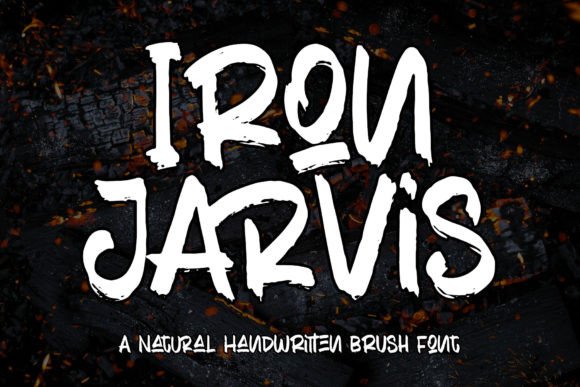
I was deep into redesigning a lifestyle blog’s header when I stumbled upon Iron Jarvis, a natural handwritten brush font that immediately caught my eye. As an editorial designer, I’m always on the lookout for typefaces that bring character and clarity to a layout, and Iron Jarvis delivered both in unexpected ways. Its tough-looking style with a strong brush touch felt like just what the project needed — something rugged yet refined, bold but not overwhelming.
Using Iron Jarvis in Lifestyle Blog Headers
When it comes to blog headers, especially for lifestyle content, the right font can set the tone for the entire publication. I tested Iron Jarvis as the main title font for a wellness blog, where the goal was to convey authenticity and strength without being too harsh. The natural variation in stroke weight and texture gave the headers a handcrafted feel, while its clean baseline kept everything readable on mobile screens.
What stood out most was how Iron Jarvis helped create visual hierarchy. It wasn’t just loud; it had rhythm. Each letter carried a sense of movement, making the blog name pop against minimalist backgrounds. This made it easier to draw reader attention without sacrificing the calm, inviting mood the blog aimed for.
Iron Jarvis for Recipe Ebook Titles and Pull Quotes
A few weeks later, I was working on a digital recipe ebook cover. The client wanted something that felt modern but still warm and personal. After trying several display fonts, I settled on Iron Jarvis for the title. Its strong brush strokes added a dynamic edge to the otherwise soft pastel palette, creating contrast that made the title stand out in search results and social media previews.
For pull quotes within the ebook, I used Iron Jarvis again — this time at a slightly smaller size. It worked beautifully because the font’s personality didn’t overshadow the text, and the subtle imperfections in each letter gave the quotes a human touch. Readers responded well to the balance between creativity and clarity, which is essential for any Fonts used in long-form or educational content.
Readability Across Formats
One concern I had before using Iron Jarvis was whether it would hold up in different formats. Would it be legible in a PDF export? How about on print materials or small-screen displays?
To test this, I created mockups of the same recipe ebook across platforms: a mobile-optimized version, a tablet-friendly layout, and a printed booklet. In every case, Iron Jarvis performed admirably. On screen, its brush strokes retained enough definition to look sharp even at lower resolutions. When printed, the ink flow and texture gave it a tactile appeal, perfect for Fonts used in physical cookbooks or planners.
Creating Visual Impact with Iron Jarvis in Poster Design
Poster design is another area where Iron Jarvis truly shines. I recently designed a promotional poster for a local art exhibition and wanted a headline that screamed creativity. The natural handwritten brush style of Iron Jarvis brought energy and warmth to the piece. It wasn’t just decorative — it told a story.
By layering the font over a textured background, I emphasized its Display qualities. The contrast between the rough surface and the smooth curves of the letters created a compelling focal point. Viewers were drawn to the title first, then naturally followed the rest of the layout. That kind of intuitive flow is exactly what makes a good Font great in editorial and advertising contexts.
Pairing Iron Jarvis with Other Typefaces
Like any Display font, Iron Jarvis needs the right partner to shine in editorial settings. For body copy, I paired it with a clean sans serif to maintain readability. The combination of a creative Font like Iron Jarvis and a neutral base typeface ensured the design remained accessible and easy to navigate.
In one layout, I used Iron Jarvis for chapter openers in a coaching workbook. Then, I switched to a traditional serif font for the main text. This pairing reinforced the theme of strength and wisdom — two core messages the workbook aimed to communicate. The contrast also made it easier for readers to distinguish between sections, improving overall engagement and comprehension.
Iron Jarvis for Wedding Guide Covers and Branding
Wedding guides are all about elegance and emotion, but they also need a touch of individuality. I used Iron Jarvis on a digital wedding guide cover to give it a more personalized, romantic vibe. The handwritten quality felt authentic, and the strong brush effect added a sense of craftsmanship.
The font also played a role in internal branding elements, like headings and section dividers. While it wasn’t suitable for large blocks of text, it worked perfectly for short phrases and decorative accents. Using a consistent Font across the guide helped build a cohesive brand identity that felt both professional and heartfelt.
Designing with Iron Jarvis in Newsletter Graphics
Newsletters often require a balance between formality and approachability. I used Iron Jarvis sparingly in a creator newsletter design — mainly for headlines and call-to-action buttons. The result was a layout that felt fresh and engaging, without coming off as overly casual or unprofessional.
Its unique texture allowed me to experiment with color overlays and gradients. Even in simpler layouts, the font brought a level of sophistication that elevated the overall aesthetic. Whether it was a monthly recap or a new course announcement, Iron Jarvis helped make each issue feel distinct and memorable.
Handwritten Fonts in Course PDFs and Printables
Course creators often rely on Fonts to establish trust and approachability. I found that Iron Jarvis could work wonders in printable worksheets and PDF modules. Used for titles and key points, it gave the material a more interactive and less rigid feel.
However, I learned through testing that it’s best reserved for short bursts of text. In longer paragraphs, it lost some of its clarity. But for bullet points, headers, and section titles, it was perfect. The font’s ability to blend creativity with structure made it a solid choice for educational content that still wants to feel personable and engaging.
Commercial Use Considerations
Before finalizing any layout, I always check licensing details. With Iron Jarvis, I confirmed it was safe for commercial use, including in paid newsletters, client projects, and digital downloads. Knowing this upfront is crucial when selecting a Font for professional publishing or selling design assets online.
It also includes multiple styles and alternates, which gave me the flexibility to adjust the tone depending on the context. For example, I could use bolder versions for impact-heavy sections and lighter ones for softer intros. This versatility is rare in many Display fonts and made it a reliable option across various editorial projects.
Bringing Personality to Digital Magazines and Print Layouts
Digital magazines need a strong typographic identity to compete for attention. In a recent redesign of a travel magazine layout, I used Iron Jarvis for feature article titles and photo captions. The font’s bold presence helped highlight important stories without disrupting the magazine’s sleek, modern layout.
On the print side, I made sure to test the font at different sizes and line heights. Even though it’s a handwritten Font, Iron Jarvis maintained its readability and impact. This made it ideal for Display typography in print magazines and brochures where aesthetics and clarity must coexist.
Building a Unique Publication Identity
Every publication has a voice, and the right Font helps define that. I’ve seen how Iron Jarvis contributes to a strong, confident identity — particularly in niches like fitness, personal development, and handmade goods. Its toughness and organic feel align well with brands that value authenticity and raw creativity.
Using Iron Jarvis consistently throughout a project creates cohesion. Whether it’s the cover, sidebar titles, or a closing quote, the font reinforces the message and gives the publication a unified look. This is especially valuable in Fonts used for logos and brand collateral, where memorability is key.
Why Iron Jarvis Works for Modern Typography Projects
As someone who regularly works with Fonts, I appreciate when a typeface feels versatile and intentional. Iron Jarvis checks both boxes. It brings a natural, expressive quality to designs that don’t want to feel sterile or corporate. And yet, it doesn’t sacrifice professionalism — it simply redefines it with a bit of grit and soul.
This kind of balance is rare in Display fonts, which is why I keep coming back to it. It’s not just a pretty script — it’s a tool that supports storytelling and visual hierarchy in equal measure. Whether you’re designing a Font for a blog, a planner, or a digital course, Iron Jarvis adds depth and dimension that elevate your work from basic to bold.
Final Thoughts on Font Selection and Editorial Flow
Selecting the right Font isn’t just about looking good — it’s about guiding the reader’s experience. Iron Jarvis does this effortlessly. It draws the eye, sets the mood, and supports the message behind the words. From blog headers to wedding guides, it adapts with grace and power.
If you’re ready to bring more personality into your next editorial design or digital publication, consider Iron Jarvis. Let its brush strokes speak for themselves, and watch how it transforms your layouts into something more than just functional — into something unforgettable.