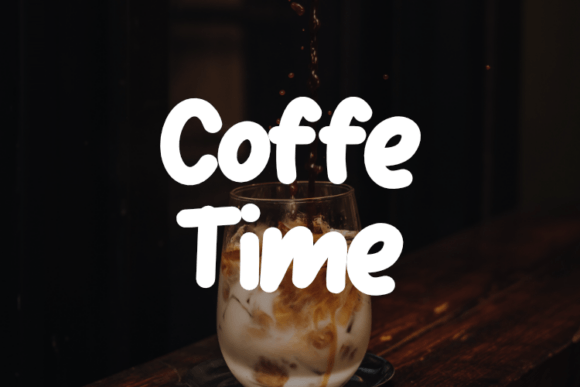
Coffe Time Font: A Display Typeface That Elevates Merchandise Design
There I was, staring at a blank brand board for a local artisanal coffee shop looking to refresh its visual identity. The brief called for something warm, approachable, and just a little bit bold — enough to stand out on a café window sign but still feel inviting in printed collateral. As I opened my font library, I landed on Coffe Time, a display typeface that immediately caught my eye with its clean curves and subtle character. Within minutes of testing it against other fonts, I knew it had the potential to be the hero of this project.
Coffe Time as a Logo Font for Boutique Branding
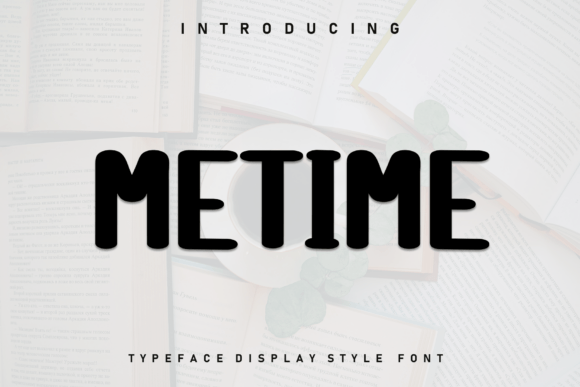
I began by placing Coffe Time into a logo draft for the coffee shop. Its open apertures and slightly rounded terminals gave it an organic yet polished feel — perfect for a brand that wanted to convey community and craftsmanship. Unlike many decorative fonts that lose their charm when scaled down, Coffe Time held up surprisingly well in small sizes, maintaining legibility without sacrificing personality. I tested it next to more traditional serif fonts like Playfair Display and compared it to modern sans serifs such as Montserrat. While those fonts were solid, Coffe Time brought a unique warmth and creativity that felt fresh and intentional.
What stood out most was how it balanced playfulness and professionalism. It wasn’t too quirky for a business card or website header, yet it carried enough character to make the logo memorable. For a small-scale branding project, that’s exactly what you want from a display font — a strong visual anchor that feels authentic and not overdesigned.
Bringing Coffee Culture to Life with Packaging Mockups
Next, I moved into packaging design. The client had a line of custom mugs, branded tote bags, and seasonal drink sleeves. I placed Coffe Time on mockups for each item and saw how it adapted beautifully across different mediums. On a mug, it read clearly even from a distance, while on a tote bag, it added a sense of handcrafted charm. The font’s subtle weight variation allowed it to work both as a headline and a supporting element in the same design, which is rare for a single-style display font.
The personality of Coffe Time made it ideal for creating a cohesive yet dynamic brand identity. I used it on product labels and found that it paired well with minimalist layouts, letting the imagery and color palette do the rest of the storytelling. It didn’t overpower the designs but instead complemented them with a touch of elegance and casual cool.
Using Coffe Time in Social Media Layouts and Web Headers
As part of the overall brand refresh, I also tested Coffe Time in digital spaces. I applied it to a homepage hero section and watched how it performed in browser-based environments. The contrast between thick and thin strokes helped it stand out on screen, especially when layered with a soft background texture. In social media graphics, it became a favorite for Instagram posts where the goal was to create a visually engaging feed. The font’s rhythm and spacing made it easy to read at a glance, which is crucial for content that needs to catch attention quickly.
I also tried it in short taglines and call-to-action buttons. It worked best in larger sizes, where its display nature really shined. However, when I tried using it for longer body copy in blog titles or captions, it lost some clarity. This isn’t a flaw, though — it’s simply a reminder that Coffe Time is best suited for headlines, logos, and short phrases rather than extended text blocks.
Coffe Time for Apparel and Merchandise Typography
Given the original vision behind Coffe Time — to infuse aesthetic appeal into apparel and merchandise — I naturally turned to a clothing line mockup. I used it for a hoodie graphic, a T-shirt slogan, and a sticker design. Each time, it added a layer of sophistication and fun. The way it sits on fabric is smooth, and the characters have enough negative space to avoid bleeding issues during printing.
One of the standout features is how it adapts to different styles of merchandise. Whether it was screen-printed onto a cotton shirt or heat-pressed onto a ceramic cup, Coffe Time maintained its integrity. It’s clear the designers considered real-world applications, making it a reliable choice for print-on-demand platforms or small-batch production runs.
Font Pairing Tips for Creative Projects with Coffe Time
When working with Coffe Time, I found that pairing it with a simple sans serif like Open Sans or Lato created the best balance. The contrast allowed the display font to pop while keeping supporting text readable and unobtrusive. I also experimented with combining it with a script font for accent lines and discovered that a light, elegant script like Allura or Alex Brush could enhance the whimsical side of Coffe Time without clashing.
If you’re going for a handwritten vibe, consider using Coffe Time alongside a semi-serif or slab serif to add structure and contrast. The key is to let Coffe Time lead in high-impact areas and support it with more neutral typography elsewhere. This approach keeps your design assets from feeling cluttered or chaotic.
Testing Before Committing: A Designer’s Checklist for Using Coffe Time
Before finalizing Coffe Time for the project, I went through a few quick tests:
- Printed it on a business card mockup to check legibility and ink bleed
- Tested it on a mobile-sized website header to ensure it scales well
- Used it in a social media carousel post to evaluate performance on various screens
- Checked its compatibility with multilingual content if needed
Each test confirmed that Coffe Time is a premium font designed for display use cases. If you're considering it for a commercial project, I recommend doing similar checks — especially if you plan to use it in packaging or merchandise that will go through multiple print processes.
Licensing Considerations When Using Coffe Time in Commercial Work
One thing I always double-check before sending a client any design involving Coffe Time is the licensing agreement. Since it's a display font, the terms can vary depending on whether it's being used in digital products, print-on-demand items, or web headers. Make sure to review the commercial font license thoroughly to confirm it covers all your intended uses, especially if you're planning to apply it to templates, brand identity systems, or recurring design assets.
Some designers might overlook this step, but for anyone running a creative studio or managing a brand identity project, knowing your font is legally usable in every context is essential. Always verify that the font supports the languages you need and that you have the right file formats (OTF/TTF) for print and digital output.
Coffe Time in Editorial and Poster Design
While primarily a display font, Coffe Time also has moments of brilliance in editorial and poster design. I used it for a flyer promoting a weekend pop-up event and noticed how it helped establish visual hierarchy instantly. The title in Coffe Time drew the eye first, then I layered in supporting information using a more utilitarian typeface.
In poster design, the font added a touch of creativity without being overwhelming. It works particularly well with photography or watercolor textures, giving the layout a curated, artisanal feel. Just remember to keep it large and let it breathe; the font’s style is most effective when given room to express itself.
When Not to Use Coffe Time
Despite its strengths, Coffe Time isn’t the right fit for every project. If you're designing a formal corporate site or legal document, it’s probably not the best choice. The same goes for long paragraphs of body text — its display nature means it loses effectiveness when used for reading-heavy content.
Also, if your brand leans heavily into minimalism or requires strict typographic consistency across hundreds of pages, Coffe Time might not offer the versatility you need. But for boutique brands, lifestyle businesses, and creative studios aiming to inject personality into their visuals, it’s a top contender.
Final Impressions: Why You Should Consider Coffe Time for Your Next Project
After using Coffe Time across a range of design assets — from a logo draft to a packaging label and even a web header — I’m confident it belongs in every designer’s toolkit. It’s not just another decorative Fonts option; it’s a carefully crafted display typeface that brings life to merchandise and branding projects alike.
Its ability to adapt to different materials, screen sizes, and visual contexts makes it a practical and stylish choice. Whether you're refreshing a local café’s look or launching a new line of handmade goods, Coffe Time offers a unique voice that’s both modern and timeless.
So if you're on the hunt for a display font that stands out without shouting, I’d encourage you to give Coffe Time a try. Test it in your next project, pair it thoughtfully, and see how it transforms your designs. Chances are, once you start using it, you’ll wonder how you ever did without it.