Keylee Font: A Modern Display Typeface for Web Designers
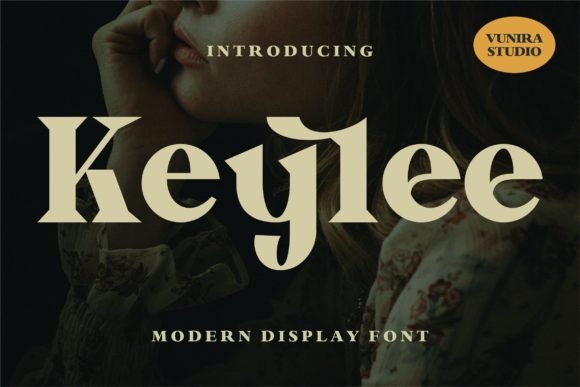
Recently, I was working on a boutique online store redesign and needed a display font that could elevate the brand’s visual identity without feeling outdated. While browsing through creative fonts, I stumbled upon Keylee, a modern display typeface with a calligraphy style. It immediately caught my eye with its elegant curves and subtle sophistication. As a web designer, I knew this could be perfect for headers, hero sections, and branded content where personality matters.
Keylee in Website Headers and Hero Sections
On this project, I used Keylee as the primary header font for the homepage. The font has a distinct character — it feels handcrafted yet polished, making it ideal for high-impact website headers. I paired it with a clean sans serif body font to maintain contrast and ensure readability. The result? A hero section that felt both inviting and professional.
I tested Keylee across different screen sizes and found that it held up well on desktops, but required some adjustments for mobile views. Since it's a display font, I avoided using it for long paragraphs or small buttons. Instead, I reserved it for bold headlines and key branding elements. This approach helped guide the user’s attention naturally toward the most important parts of the page.
Keylee for Branding Materials and Digital Ads
Another part of the project involved creating digital assets for social media and email marketing. I wanted the branding to feel cohesive across all platforms, so I carried Keylee into the design system. Its calligraphy-inspired style added warmth and creativity to promotional banners and product landing pages. It also worked beautifully over image overlays, especially when paired with a light background.
For the brand’s logo text, Keylee provided just the right amount of flair without being too ornate. It struck a balance between artistry and clarity, which is crucial for building brand trust. When used in short phrases like “New Arrivals” or “Limited Edition,” it helped create a sense of urgency while maintaining a premium look.
Keylee in Blog Headers and Creative Portfolios
A few weeks later, I was working on a blog redesign for a lifestyle influencer. They wanted something more personal and artistic than the usual sans serifs. I suggested Keylee for blog post titles and pull quotes. The alternative characters gave the layout an extra layer of customization, letting them express their voice more authentically.
In another case, I integrated Keylee into a creative portfolio site. The client was a graphic designer looking to showcase her aesthetic sensibility. Using Keylee in section headings and title cards made the site feel more curated and visually engaging. Visitors could scan the content quickly, thanks to the strong visual hierarchy created by the font’s weight and spacing.
Keylee for Invitations and Greeting Card Websites
One of the most interesting use cases came when I was helping a small business owner set up a greeting card e-commerce site. They wanted the entire experience to reflect the handwritten charm of their products. I chose Keylee for hero headlines and category labels because it had the right blend of elegance and approachability. The alternative characters were especially useful for adding stylistic touches to product names and featured collections.
What stood out about Keylee was how it maintained legibility even at smaller sizes when used over images. For a boutique selling personalized invitations, this was essential. I used it in combination with a minimalist sans serif for supporting copy, ensuring the overall layout stayed balanced and easy to read.
Keylee in Course Sales Pages and Coaching Websites
Coaching websites often benefit from a warm and trustworthy tone. In one instance, I applied Keylee to a course sales page headline. The font added a touch of professionalism while still feeling personable — exactly what the audience needed to connect emotionally. I made sure the color contrast was high enough for accessibility and readability, especially since the CTA section used the same font for emphasis.
Because Keylee is a display font, I didn’t overload the page with it. Instead, I limited its use to main headings and subheadings, allowing the rest of the typography to breathe. This technique not only improved scanning behavior but also reinforced the brand’s unique identity throughout the page.
Keylee for Business Cards and Poster Designs
While focusing on digital layouts, I also designed a brand kit for a startup launching a new product line. Part of the deliverables included business cards and poster mockups. Keylee was chosen for the logo text and tagline due to its modern calligraphy appeal. It looked sharp in print and translated well into digital formats like PDFs and PNGs for download purposes.
Using Keylee in these materials allowed the brand to stand out in a crowded market. The font wasn’t too quirky, but still had enough character to differentiate them from generic competitors. It became a central element of their digital brand kit, appearing consistently across websites, packaging, and social profiles.
Readability Tips When Using Keylee on the Web
When applying Keylee in your next web project, keep a few things in mind:
- Use it sparingly: Display fonts like Keylee are best suited for headlines and decorative accents. Overusing them can hurt readability and dilute the message.
- Optimize for mobile: Test how Keylee looks on smaller screens. You may need to adjust letter spacing or line height to maintain clarity.
- Consider background contrast: On dark backgrounds, increase stroke weight or choose lighter tones to preserve legibility. Lighter weights work better over bright or textured visuals.
- Load performance: If you're using Keylee as a webfont, make sure it's optimized for fast loading. Avoid unnecessary weights unless they’re critical to your layout.
Font Pairing Strategies with Keylee
As a UI designer, I always think about how fonts interact with each other. Keylee pairs exceptionally well with simple sans serif fonts such as Inter, Lato, or Open Sans. These combinations allow the display font to take center stage while keeping the supporting text clean and scannable.
If the brand leans towards a more editorial or traditional vibe, pairing Keylee with a refined serif font like Merriweather or Playfair Display can add depth. It works especially well for quote blocks, testimonials, or feature highlights on landing pages.
Always test your pairings in real context. Sometimes a font looks great in isolation but clashes when placed next to others. I recommend using tools like Google Fonts’ pairing suggestions or Adobe Typekit to experiment before finalizing your design.
Commercial Use and Licensing Considerations
Before implementing Keylee into any commercial web project, double-check the licensing terms. Some display fonts are strictly for personal use, so knowing whether Keylee allows for commercial font usage is vital if you're designing for clients or running an online shop.
Also, confirm whether the font includes multilingual support if your audience is international. Check the available weights and alternates — sometimes a single-weight display font isn’t enough for varied typographic needs. Keylee seems to offer enough variation for most branding scenarios, but always verify based on your specific requirements.
Keylee in Branded Web Content and Campaign Pages
I recently used Keylee on a campaign landing page for a wellness brand. The goal was to evoke emotion and inspire action. By placing Keylee in key calls-to-action like “Start Your Journey” and “Join Today,” we created a stronger visual punch. The font’s soft edges and fluid strokes helped soften the tone of the page, making it more welcoming and less corporate.
On this campaign page, I also experimented with Keylee in microcopy areas like pricing tags and button labels. While it worked for larger buttons, I switched back to a more neutral font for smaller interactive elements to avoid confusion. It’s a good reminder that display fonts should enhance, not hinder, usability.
Why Keylee Stands Out Among Other Display Fonts
There are countless display fonts available today, but Keylee distinguishes itself with its modern calligraphy style. Unlike overly dramatic script fonts, it maintains enough structure to remain readable and appropriate for professional contexts. It’s not just a pretty face — it’s a practical choice for designers who want to build a more polished brand experience.
Its versatility means it can adapt to different industries. From fashion boutiques to educational course sites, Keylee adds a layer of refinement that helps brands feel more intentional and thoughtful. That kind of attention to detail can significantly influence user perception and engagement.
Keylee for Quotes, Posters, and Visual Storytelling
One of the standout moments for me was using Keylee in a series of blog headers and quote graphics. The font brought a human touch to otherwise flat content. When I layered it over photos of nature or abstract textures, it felt like the words were part of the imagery — enhancing the storytelling aspect of the site.
For poster designs embedded in the site or shared via social media, Keylee really shined. It allowed us to highlight key messages in a way that felt both artistic and accessible. The alternative characters offered just enough variety to keep the designs fresh without overwhelming the viewer.
Final Thoughts on Typographic Choices
Choosing the right font is never just about aesthetics. It’s about finding a typeface that aligns with the brand’s goals and supports the user experience. Keylee checks both boxes. It brings a modern calligraphy style to web design without sacrificing usability. Whether you’re working on a wedding invitation site, a coaching platform, or a product launch, Keylee can help you craft a more memorable and trustworthy impression.
If you’re ready to bring a touch of elegance to your next project, give Keylee a try. It’s a premium font that blends creativity with clarity — a rare and valuable asset in the world of digital design.