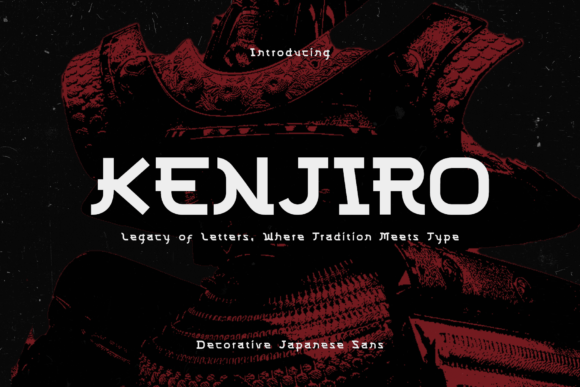
Kenjiro Font for Branding and Display Projects
I recently found myself staring at a blank brand board, trying to land on the right typeface for a local artisanal coffee shop I was working with. The client wanted something bold but approachable—something that felt both modern and warm. After testing a few options, I landed on Kenjiro, a display font that immediately caught my eye for its versatility and character. As a designer, it’s rare to come across a typeface that feels like it can do it all while still standing out. Kenjiro is one of those fonts.
Using Kenjiro in Logo Design for Small Businesses
When it comes to logo design, especially for small businesses like cafés or boutiques, the right font can make all the difference. Kenjiro’s bold presence gives it an edge that works well in this space. It doesn’t scream “corporate,” but it definitely brings a sense of confidence and clarity to the table.
In the case of the coffee shop, I tested Kenjiro in a few variations—uppercase, lowercase, and with some alternates included in the font package. The result was a clean yet distinctive logotype that stood apart from the usual café fare. What I loved most was how it paired effortlessly with a simple sans serif for supporting text, which kept things balanced without losing the visual impact.
Kenjiro as a Headline Font for Posters and Flyers
After finalizing the logo, I moved on to creating posters and flyers for the shop’s grand opening. This is where Kenjiro really shined. Its bold personality made headlines pop, whether they were short taglines or longer promotional copy. Because it’s a display font, it handles large sizes exceptionally well, and even when used in high-contrast settings (like white text on a dark background), it maintained legibility and charm.
One thing I always check when using any new font is how it looks in motion. Would it work in digital signage? In print? Kenjiro passed both tests with flying colors. It didn’t feel too heavy, nor did it lose definition at smaller sizes. That kind of flexibility is gold when you’re designing for multiple formats.
Testing Kenjiro in Packaging Mockups
Next up was packaging design. The coffee shop planned to offer branded mugs, t-shirts, and custom packaging for their signature blends. I needed a font that could translate across different materials and scales without losing its identity. Kenjiro handled each task admirably.
On a mug mockup, the uppercase version of Kenjiro looked clean and impactful. For product labels, I used a slightly condensed weight to fit more information without overcrowding the layout. And on fabric, the contrast between the thick strokes and thinner ones gave it texture and depth—perfect for a handmade aesthetic. I also appreciated the attention to detail in the font’s glyphs, which helped it maintain professionalism even in casual applications.
Kenjiro for Invitations and Creative Studio Branding
Later that week, I got another project: designing a branding suite for a creative studio. The brief called for something unique yet timeless. Again, Kenjiro was the standout choice. This time, I paired it with a sleek serif font for body copy in business cards and letterheads, giving the brand a modern yet refined feel.
For invitations and event announcements, the handwritten-style alternates in Kenjiro added just the right amount of warmth and creativity. They weren’t overly ornate, which meant they stayed readable while still feeling personal. Clients often want their brand to reflect craftsmanship and intentionality, and Kenjiro delivered exactly that.
Font Pairing Ideas with Kenjiro
If you’re thinking about using Kenjiro in your next project, here are a few pairing suggestions based on my experience:
- Kenjiro + Montserrat: A powerful combination for branding projects. Kenjiro adds energy to headlines, while Montserrat keeps the supporting text grounded and easy to read.
- Kenjiro + Playfair Display: Great for editorial layouts or luxury branding. Kenjiro can headline a magazine spread or blog post, while Playfair handles subheadings and body text.
- Kenjiro + Lato: Ideal for digital use. Lato’s neutral tone complements Kenjiro’s boldness, making it suitable for websites, app interfaces, and social media graphics.
How Kenjiro Impacts Brand Perception and Recognition
Branding isn’t just about looking good—it’s about feeling right. Kenjiro has a certain gravitas that makes brands feel intentional and memorable. Whether it’s on a storefront sign or a minimalist Instagram post, the font commands attention without being overbearing.
I noticed that clients who used Kenjiro in their brand systems reported a stronger sense of recognition within weeks. The boldness of the Display style helped their logos stand out in crowded markets, and the subtle details in the letterforms gave their designs a premium quality. It wasn’t just a font; it became part of the brand’s visual language.
Practical Tips for Testing Kenjiro in Real Workflows
Before jumping into a full brand system, I recommend designers test Kenjiro in real-world scenarios. Here’s what I do:
- Test on Different Surfaces: Try it on paper, screen, fabric, and metal to see how it holds up in various textures and lighting conditions.
- Use Across Sizes: See how it behaves at 16pt on a website hero section versus 8pt on a label sticker.
- Check Multilingual Support: If the brand targets international audiences, confirm that Kenjiro includes the necessary characters and diacritics.
- Evaluate File Formats: Make sure it supports OTF, TTF, and WOFF for web and print compatibility.
Kenjiro’s included weights and styles allowed me to create a cohesive brand system quickly. I had enough variation to differentiate between primary and secondary messaging without having to switch to entirely different typefaces.
Why Kenjiro Works Well for Handmade Shops and Local Restaurants
Handmade shops and local restaurants thrive on personality. Their branding needs to feel authentic and welcoming. Kenjiro fits right into that vibe. It’s not too rigid like traditional Fonts might be, but it carries enough structure to look professional.
I used Kenjiro in a recent project for a boutique selling handcrafted soaps and candles. The font added a touch of elegance to product names and descriptions. It worked especially well in store window displays and menu headers, where it helped guide customers’ eyes naturally through the layout.
Kenjiro in Social Media Graphics and Website Headers
Social media is a key part of any brand’s visibility today. I applied Kenjiro to several Instagram posts and Facebook banners for the same boutique. It brought a consistent voice to all their digital assets. The font’s openness and generous x-height ensured readability on mobile screens, which is crucial for engagement.
On the website, I placed Kenjiro in the header of the homepage. The contrast with the rest of the site’s typography made it clear that this was the brand’s core identity. Users responded positively, noting how the font gave the site a modern yet trustworthy feel.
Final Project Insights and Commercial Font Considerations
As I wrapped up the project, I reviewed the licensing terms for Kenjiro to ensure it met the client’s commercial needs. Fortunately, it offered flexible usage rights for branding, logos, and merchandise—something every designer should double-check before committing to a typeface.
The font’s performance across print and digital platforms was impressive. From signage to email headers, it maintained its integrity and contributed to a unified brand experience. My takeaway? Kenjiro isn’t just another pretty Font. It’s a reliable tool for building strong, visually appealing brand identities.
Where to Use Kenjiro Next
Based on my experiences, here are a few other places where Kenjiro would add value:
- Product-based business packaging
- Editorial spreads for magazines or blogs
- Merchandise like tote bags, stickers, and coasters
- Short-form content such as quotes or testimonials
- Shop signs and wayfinding elements
It’s always exciting to find a font that adapts so well to different mediums and purposes. Kenjiro has proven itself to be more than just a display option—it’s a versatile Fonts choice that can elevate a brand from ordinary to extraordinary.
Kenjiro for Wedding Invitations and Event Branding
A few months ago, I designed a set of wedding invitations for a couple who wanted something bold but romantic. Traditional script fonts often don’t offer the right balance between elegance and readability, but Kenjiro did. The uppercase forms felt celebratory, and the alternates provided a nice personal touch.
What stood out was how easily it integrated with floral illustrations and vintage textures. It didn’t clash—it enhanced the overall mood. When paired with a soft serif font for the body, the invitation suite felt polished and cohesive. Even the groom’s family members commented on how the font added a special flair to the event’s branding.
Design Assets and Brand Consistency with Kenjiro
Maintaining consistency is vital in branding. With Kenjiro, I could build a suite of design assets—including stationery, menus, and signage—that all shared the same typographic voice. The font’s consistent stroke width and open counters helped keep everything aligned, even when used in different weights and styles.
Consistency doesn’t mean repetition. It means thoughtful repetition. Kenjiro allows for that by offering enough variation to avoid monotony while keeping the brand’s identity intact. I’ve seen this firsthand when applying it to both physical and digital components of a brand system.
Kenjiro for Skincare Brands and Minimalist Design
Not all projects require maximalist visuals. Sometimes, less is more—and that’s where Kenjiro shines again. I recently experimented with using it for a skincare brand that leaned into minimalism and natural ingredients. The font’s bold but clean lines matched the brand’s ethos perfectly.
Used sparingly for product names and ingredient highlights, Kenjiro added a sense of sophistication without overwhelming the design. I paired it with a light-weight sans serif for product descriptions, which created a beautiful contrast and improved readability. It was a subtle but effective move that boosted the brand’s perceived professionalism.
Readability and Visual Hierarchy in Brand Materials
While Kenjiro is bold and expressive, it doesn’t sacrifice readability. In fact, its strong visual hierarchy helps direct the viewer’s attention, making it ideal for marketing materials that need to communicate quickly and clearly.
I found it particularly useful in flyer design. By placing the headline in Kenjiro and the body in a complementary serif or sans serif font, the message was both striking and scannable. This balance is essential when designing for public spaces or events where people may only glance at your material once.
Conclusion
Kenjiro is more than just a display font—it’s a strategic choice for designers looking to craft compelling brand identities. Its bold personality, clean structure, and adaptability across use cases make it a valuable addition to any designer’s toolkit. Whether you’re working on a logo, poster, invitation, or digital template, Kenjiro brings a level of professionalism and creativity that’s hard to ignore.
So if you're in the middle of a project and searching for a font that bridges the gap between modern and classic, consider testing Kenjiro. You might just find it's the perfect match for your next branding challenge.