Bleqcki Font: A Timeless Typeface for Editorial Design
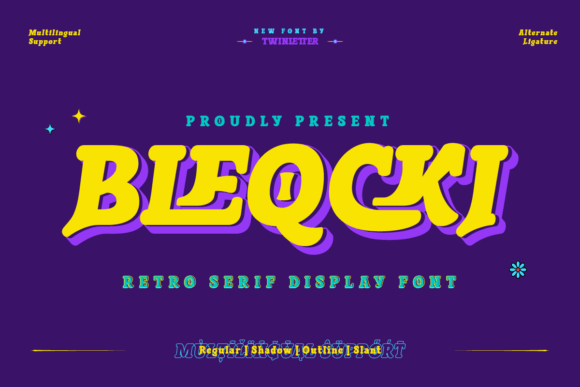
As I sat down to redesign the header of my lifestyle blog, I knew it was time for a change that felt both familiar and fresh. The old sans serif font had served me well, but something about its modernity clashed with the warm, inviting tone of the content I shared. That’s when I discovered Bleqcki, a retro serif display font that instantly transported me into a world of classic typography. Its elegant curves and strong structure hinted at a bygone era of print while still feeling relevant in today’s digital landscape.
Using Bleqcki for Lifestyle Blog Headers and Editorial Layouts
I began testing Bleqcki on my blog’s homepage, replacing the standard title with this vintage-inspired display font. The shift was subtle yet powerful — it gave the design a sense of gravitas without being over the top. As a blogger, I’m always balancing between attracting attention and maintaining readability, and Bleqcki walked that line beautifully. It works especially well for headers where you want to create visual interest without overwhelming the reader.
The font’s rhythm is smooth, and its character spacing feels just right. Whether I used it for a travel post or a wellness feature, the mood remained consistent — sophisticated, nostalgic, and welcoming. This made it easy to build a cohesive layout that readers could navigate effortlessly. In editorial design, that kind of consistency is gold.
Bleqcki as a Display Font for Recipe Ebooks and Printable Guides
Next, I turned to an upcoming project: a recipe ebook titled “Comfort Kitchens.” The cover needed to feel homey yet professional, so I reached for Bleqcki again. Its retro flair paired perfectly with the vintage aesthetic of the cookbook’s illustrations and photography. I also tested it for chapter openers and pull quotes within the body of the book, and it added a layer of charm that elevated the entire experience.
When designing printable guides, like a beginner's cooking journal, Bleqcki proved to be more than just decorative. Its clean lines and distinct serifs helped guide the eye from one section to another, reinforcing the hierarchy of information. Even though it’s a display font, I found that using lighter weights for subtitles allowed it to blend seamlessly into longer layouts.
Bleqcki for Wedding Guides and Elegant Branding
A few weeks later, I was working on a wedding planning guide for a small creative studio. They wanted the publication to feel romantic but grounded in tradition. Bleqcki fit the brief like a glove. The font brought a timeless elegance to headings like “The Bridal Journey” and “Seasonal Ceremony Ideas,” making each page feel like a personal invitation to a curated event.
In branding contexts, Bleqcki can become part of a signature identity. One designer I know uses it for her logo alongside a minimalist sans serif for body text. The contrast adds depth and personality, helping her stand out in a saturated market. For those looking to make their brand feel both classic and contemporary, this typeface offers the perfect bridge.
How Bleqcki Enhances Reader Engagement in Digital Magazines
I recently redesigned a digital magazine layout for a local food and culture publication. We were aiming for a tactile, almost paper-like feel online. By incorporating Bleqcki into our section headings and pull quotes, we achieved a look that felt handcrafted and intentional. Readers commented on how the magazine felt more engaging and less like a typical web-based read.
Its versatility across platforms impressed me too. On mobile devices, the font scaled well, preserving its character without becoming too small or pixelated. When exported as a PDF, it retained its crispness, which is essential for print-ready digital publications. The key here is knowing when to use it — stick to short bursts of text where impact matters most.
Font Pairing Strategies with Bleqcki in Editorial Projects
One of the joys of working with Bleqcki is how easily it pairs with other fonts. Since it’s a serif display font, it contrasts nicely with simple sans serif options like Helvetica Neue or Lato for body copy. I’ve also seen it work well with handwritten or script fonts for accents, adding a touch of whimsy to what could otherwise feel too formal.
For instance, in a recent course PDF on sustainable living, we used Bleqcki for the main titles and a soft, rounded sans serif for the captions under images. The result was a layout that felt both educational and approachable. The font pairing strategy helped maintain a balance between formality and friendliness, two elements often hard to align in content design.
Readability Considerations for Bleqcki in Long-Form Content
Though Bleqcki shines in headlines and covers, it’s not ideal for long paragraphs. The serifs and bold strokes are meant to draw attention, not sustain it. However, I found it very effective for breaking up sections in a coaching workbook — think of chapter headings or call-out boxes highlighting key takeaways.
Its readability on screen was better than I expected. At 24pt and above, it holds up well on both desktop and mobile views. But if you’re using it in smaller sizes, be sure to test it across different browsers and devices to ensure legibility remains intact.
Why Bleqcki Works for Course Creators and Newsletter Designers
If you're a course creator, you know the importance of first impressions. Your landing pages, email headers, and downloadable PDFs all need to reflect professionalism and trust. Bleqcki adds a layer of warmth and credibility that many modern fonts lack. I used it in a newsletter header for a digital marketing course, and the feedback was overwhelmingly positive — people said it felt more personal and authentic.
Newsletter designers, in particular, will appreciate how Bleqcki helps separate important messages from regular updates. Used sparingly for subject lines or featured content, it gives your communication a polished edge. Just remember to pair it with a simpler font for the body to avoid visual fatigue.
Bleqcki in Chapter Openers and Pull Quotes for Printables
Printable planners and worksheets have become a staple for many content creators. These products rely heavily on clear typography and visual hierarchy. Bleqcki stood out when I used it for chapter openers in a productivity planner. Each new section felt marked by intention and care, encouraging users to engage more deeply with the material.
Similarly, pull quotes in a mindfulness journal became more impactful with Bleqcki. The font didn’t distract from the message; instead, it framed it in a way that felt both artistic and purposeful. It’s a rare trait for a display font, but one that makes Bleqcki uniquely suited for thoughtful editorial design.
Checking Bleqcki’s Styles and Licensing for Commercial Use
Before finalizing any project, it’s crucial to check the included styles and licensing details. Bleqcki offers multiple weights and alternates, which is great for variety without losing the core aesthetic. Ligatures and multilingual support are also present, making it suitable for international publications or niche markets.
Commercial font licensing is something every serious content creator should consider. If you plan to use Bleqcki in paid newsletters, client magazines, or branded templates, confirm that your license allows for such use. I always recommend reviewing these terms before investing in a font — it ensures peace of mind and avoids potential issues later on.
Final Thoughts on Bleqcki for Editorial Design and Brand Identity
Throughout my various projects, Bleqcki has consistently delivered a refined, nostalgic feel that enhances the overall reading experience. From digital magazines to wedding invitations, it brings a sense of craftsmanship and history to the table. As someone who values both aesthetics and function, I’ve found it to be a reliable choice for display purposes in editorial design.
Its strength lies in its ability to evoke emotion while still supporting visual clarity. That’s why I recommend it for bloggers, publishers, and anyone who wants their content to feel more human. In a world of sleek, impersonal designs, Bleqcki reminds us of the beauty in thoughtful typography — and that can make all the difference.
Testing Bleqcki in a Real-Life Magazine Redesign
Recently, I worked on revamping a quarterly digital magazine focused on urban gardening. The previous issue had used a bold sans serif, which looked sharp but lacked warmth. Switching to Bleqcki transformed the look — it gave the magazine a grounded, earthy feel that resonated with the audience. The editor loved how it complemented the photography and added a layer of sophistication to the overall design.
What I appreciated most was how it integrated into the magazine’s existing style without clashing. It provided enough contrast from the body text to highlight key sections while still feeling harmonious with the color palette and imagery. That’s the mark of a good display font — it doesn’t demand attention, it earns it.
Using Bleqcki for Section Headings and Decorative Accents
Section headings are often overlooked, but they play a big role in guiding the reader through a publication. Bleqcki offered the perfect solution for these moments — it’s bold enough to catch the eye but never jarring. I applied it to weekly segments in a health and fitness newsletter, and it created a natural flow between topics.
Decorative accents are another area where Bleqcki shines. Think of it as a typographic garnish — it adds texture and personality to otherwise flat layouts. I’ve used it in corner badges for a printable planner and in highlighted tips for a nutrition guide. Each time, it brought a subtle yet meaningful enhancement to the design.
Bleqcki as a Creative Font for Niche Publications
Niche publications require a unique voice, and Bleqcki supports that beautifully. For a small independent brand creating a digital magazine about artisanal crafts, the font helped establish a handmade vibe that aligned with their mission. It wasn’t just a font — it became part of their story.
Independent content brands, in particular, benefit from using Bleqcki to differentiate themselves. In a sea of similar designs, having a distinctive typeface can help your publication stand out. Whether you’re building a course PDF, a coaching worksheet, or a themed newsletter, the right display font can elevate the whole experience.
Ensuring Consistency with Bleqcki in Branding Materials
Consistency is key in branding, and Bleqcki helps maintain that by offering a unified look across different materials. I used it for both the website header and the print version of a wellness brand’s guidebook, ensuring that the typography stayed true to the brand’s identity no matter the medium.
It also worked well in social media graphics and promotional banners. The font’s retro appeal caught attention without feeling outdated, which is a fine line to walk. And because it’s a display font, it scales beautifully for large visuals or tight spaces alike.
If you’re ready to bring some soul and structure to your next project, give Bleqcki a try. Whether you’re a publisher, blogger, or designer crafting the next digital magazine, this typeface might just become your new favorite tool for storytelling through typography.